Craving more space, quiet roads, and fresh air without giving up access to New York City? If you’re exploring Fairfield County, Wilton offers a calm, woods-and-stone-walls setting with practical conveniences and strong public schools. In this guide, you’ll learn how daily life feels here, from housing and outdoor trails to commuting, schools, and costs. You’ll also see where Wilton shines and what to consider as you plan a move. Let’s dive in.
Wilton at a glance
Location and size: Wilton sits in Fairfield County, within the broader New York metro economy. The population is about 19,255 as of July 2024 estimates, reflecting steady growth since 2020. Median household income is high, and owner-occupancy is the norm. You can review these figures in the town’s profile on U.S. Census QuickFacts.
Community profile: You’ll find an affluent, low-density town with a strong single-family housing base and an engaged civic culture. Many residents work in Stamford, Norwalk, or New York City. The mean travel time to work is about 35.7 minutes, though your route choice will shape that.
Housing and neighborhood feel
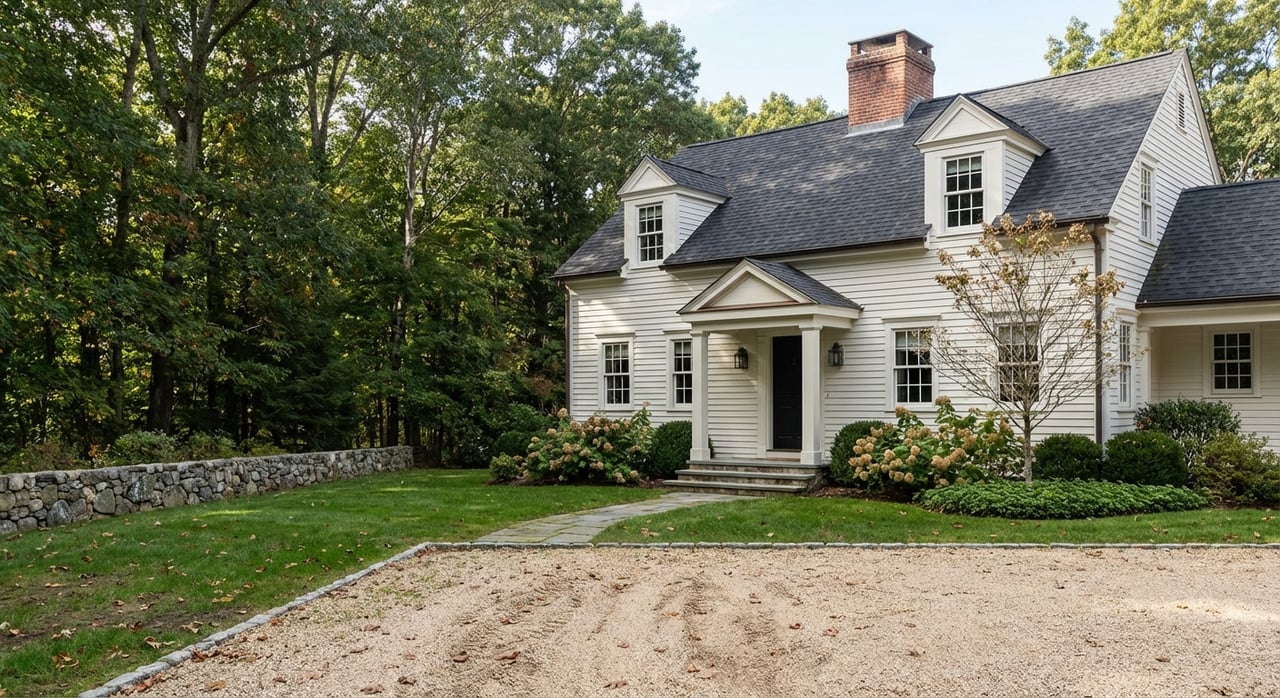
Wilton reads like classic New England suburb-meets-country: winding roads, mature trees, and homes set back from the street. The town’s long-standing planning approach favors a low-density pattern, with larger lots and buffers that protect a quiet, private feel. For a sense of this policy framework, see the town’s zoning regulations and plan references via ecode360.
Lot size and privacy
If you value room to breathe, Wilton often delivers. Many properties sit on half-acre to multi-acre parcels with tree lines that create natural privacy. In and near Wilton Center and Cannondale you’ll find a more compact, walkable pattern by design. If your goal is a larger yard, confirm the neighborhood’s zoning and setbacks before you tour.
Architecture and ages
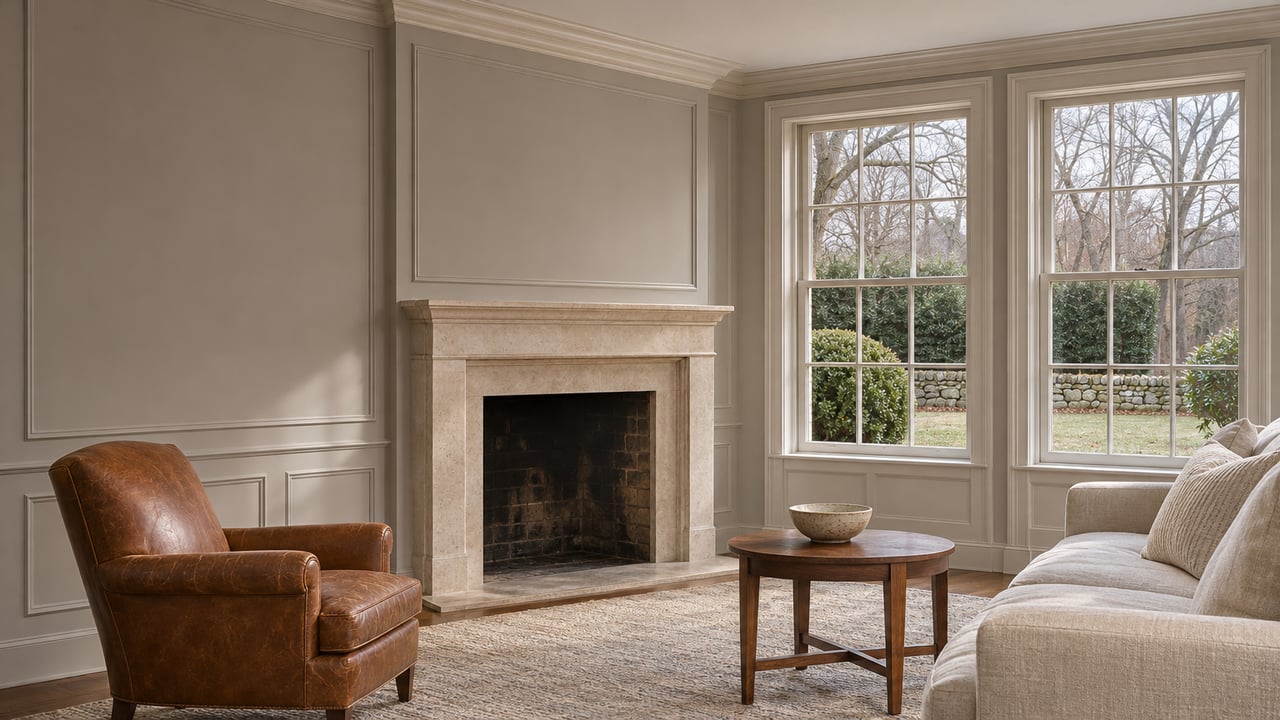
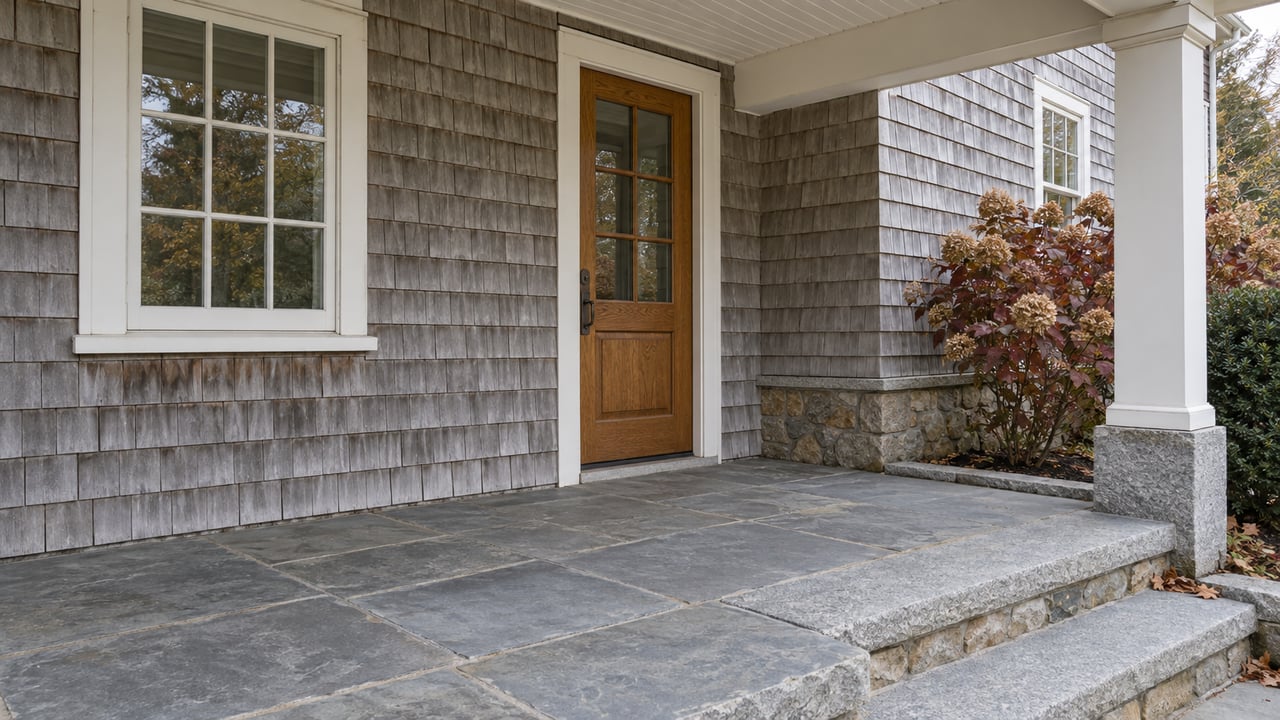
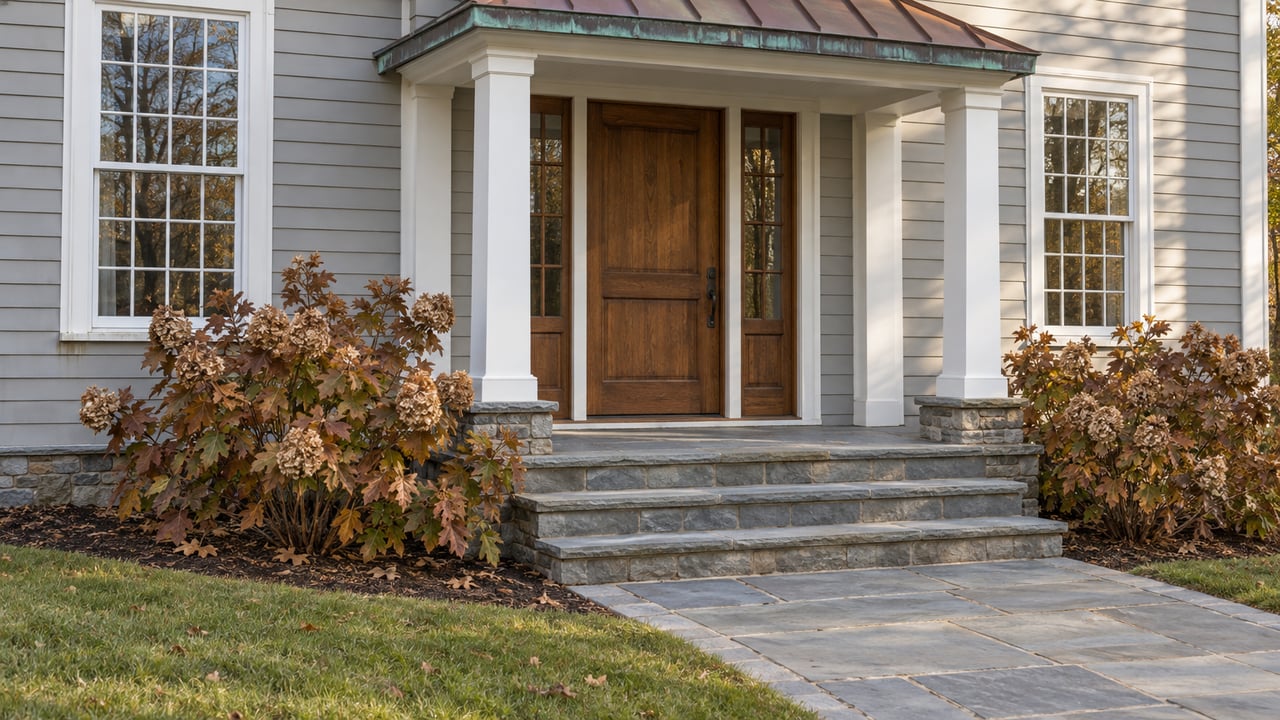
Most homes are detached single-family properties. You’ll see colonials, capes, contemporaries, and mid-century styles, plus some historic farmhouses and pockets of older village fabric in Cannondale and Wilton Center. Many homes have been renovated or expanded over the last two decades, so you’ll find updated kitchens, mudrooms, and flexible bonus spaces.
Pricing and inventory
Owner-occupancy is high, so resale inventory can feel tight at times. The Census shows a 2019–2023 median owner-occupied value around $891,300, which is a helpful long-term baseline. Market trackers placed many 2024–2025 median sale prices in roughly the 1.2 to 1.3 million range, which signals continued demand at the upper end. Always date your comparisons and review fresh comps before you write an offer.
The outdoors: parks, preserves, and trails
Nature is part of daily life here. The town shares the 60-acre Weir Farm National Historical Park with Ridgefield, where you can walk meadow paths, visit historic studios, and join public art programs. The regional Norwalk River Valley Trail runs through Wilton with boardwalk, stone-dust, and paved segments that link neighborhoods, parks, and the train station.
Local land stewardship is strong. The Wilton Land Conservation Trust reports an 800-plus-acre portfolio of protected properties that add trails, meadows, and pocket preserves across town. Explore volunteer and preserve info through the Wilton Land Conservation Trust. Day to day, residents use Merwin Meadows, Schenk’s Island, Quarry Head, and Allen’s Meadow for family time, trail runs, and casual sports.
Town center and cultural life
Wilton Center is your village hub for errands, quick meals, and community events. The Wilton Library anchors the area with local programs, author talks, and the Brubeck Collection, and the Wilton Historical Society’s museum pieces together the town’s past. To get a sense of the library’s active calendar, browse a recent call for artists covered by local media at HamletHub.
Retail in town focuses on essentials, with a few boutiques and services. For broader shopping, restaurants, and healthcare, residents often head 10 to 30 minutes to Norwalk, Westport, or Stamford. Wilton is also studying ways to strengthen mixed-use and walkable amenities near the center, noted in updates from the town’s planning subcommittee on Wilton Center master planning.
Getting around and commuting
Rail: Wilton is served by Metro-North’s Danbury Branch with stops at Wilton and Cannondale. Service is diesel-operated and less frequent than the main New Haven Line, so some riders transfer at South Norwalk or drive to stations on the main line for more options. For a snapshot of the branch and facilities, start with the MTA’s Cannondale Station page.
Driving: Route 7 is the town’s north-south spine. The Merritt Parkway and I-95 are reachable via short drives and are common choices for commutes to Stamford, Norwalk, or points along the coast. The mean commute is about 35.7 minutes, but peak-period drives to New York City can stretch well past an hour, so your timing and mode will matter.
Pro tip: If rail frequency is key for you, compare Danbury Branch schedules with main-line stations before you choose a neighborhood. If you plan to drive most days, test the Route 7 corridor during your typical commute window.
Schools and community life
Wilton Public Schools are frequently cited by buyers as a top draw. The district posts strong performance metrics, Advanced Placement participation, and high rankings in multiple independent reports. Review the district directly at Wilton Public Schools. Beyond the classroom, you’ll find active civic organizations, volunteers, and town boards that help shape local projects and events.
Costs, taxes, and value signals
Property values and municipal revenues have been trending up in recent reporting, reflected in growth to the town’s grand list in 2024 and 2025. For context on these trends, see recent coverage from CT Insider on Wilton’s grand list and taxes. For your specific tax bill, consult the Town Assessor and the current mill rate for the fiscal year you’ll own the home.
If you’re budgeting, factor in the area’s higher cost profile: purchase price, property taxes, commuting, and household services. The upside is strong underlying demand, high owner-occupancy, and durable amenities that support long-term value.
A day in Wilton
- Morning: Walk a quiet loop on the Norwalk River Valley Trail, then grab a coffee in Wilton Center before a library stop.
- Midday: Head to Weir Farm to wander the fields and tour the studios. If it’s summer, meet friends at Merwin Meadows.
- Evening: Pick up groceries in town, then unwind on the back patio. If you commute, check the Danbury Branch schedule or plan a transfer at South Norwalk.
Is Wilton the right fit for you?
Every town asks for tradeoffs. In Wilton, you get space, privacy, and a calm setting with strong schools and active civic life. In return, you may accept a longer commute, fewer late-night transit options, and a modestly scaled retail scene. If that balance matches your goals, Wilton often feels like an easy yes.
What you may love
- Larger lots and privacy throughout most neighborhoods.
- Trails, parks, and preserves close to home.
- A compact village center for daily errands and events.
- Strong public schools with a consistent performance record.
Things to consider
- Commute tradeoffs versus main-line rail towns.
- Limited resale inventory at times due to high owner-occupancy.
- Higher carrying costs that reflect an affluent market.
Ready to explore homes, compare commute options, and price your next move with confidence? Reach out to Thomas Vozzella for seasoned guidance, on-point valuation, and a clear plan from search to close.
FAQs
How does daily life in Wilton, CT feel for new residents?
- Expect quiet streets, wooded lots, and a small-town rhythm centered on Wilton Center, local parks, and community events, with broader amenities a short drive away.
What are typical home and lot patterns in Wilton, CT?
- Most properties are single-family homes on larger lots with tree buffers, creating privacy and a country-suburban feel, with denser patterns near Wilton Center and Cannondale.
How do Wilton, CT schools perform and where can I learn more?
- The district is widely recognized for strong performance and AP participation; you can review programs, calendars, and metrics on the Wilton Public Schools website.
What are the main commuting options from Wilton, CT to NYC?
- Many residents use Metro-North’s Danbury Branch from Wilton or Cannondale or drive to main-line stations for more frequency; others drive via Route 7 to the Merritt Parkway or I-95.
What outdoor amenities define Wilton, CT?
- The Norwalk River Valley Trail, Weir Farm National Historical Park, and numerous town parks and land trust preserves provide easy access to trails, meadows, and family recreation.
How should I think about taxes and cost of living in Wilton, CT?
- Wilton is an affluent market with higher carrying costs; property values and the town’s grand list have been rising, so review the current mill rate and confirm your estimated tax bill with the assessor.