Selling in Norwalk means planning for coastal weather. Buyers here ask smart questions about flood zones, power outages, and what you have done to protect the home. If you prepare now, you can reduce surprises, build buyer confidence, and keep your sale on track. This guide shows you the most effective storm-hardening steps, what permits and insurance matter, and how to present everything clearly to buyers. Let’s dive in.
Why storm-hardening matters in Norwalk
Norwalk sits on Long Island Sound with several rivers and tidal inlets, so some neighborhoods fall within FEMA Special Flood Hazard Areas. You can verify a property’s status using the city’s page that links to FEMA maps and local guidance. Check your address on the city’s flood hazard resource page to see how your home is mapped and whether an Elevation Certificate is relevant.
City and regional planning continue to address resilience and drainage. The Norwalk Redevelopment Agency’s Sustainability and Resilience Plan outlines local priorities that are useful context for buyers and sellers. Local news also reports frequent power outages during nor’easters and wind events, which is one reason backup power remains a popular feature for Norwalk homes.
- Explore flood hazard maps and rules: City of Norwalk flood hazard zones
- Review the city’s resilience focus: Norwalk Sustainability & Resilience Plan
- See outage context: CT outages during nor’easters
Start with risk mapping and permits
Check your flood zone and elevation
Confirm whether your property sits in an A, AE, or VE zone. If it does, an Elevation Certificate is often requested by buyers and lenders. Start with the city’s flood hazard page for mapping and next steps.
Know Norwalk’s floodplain rules
Norwalk enforces flood standards for work in designated zones, including elevation requirements, flood-resistant materials, and flood openings for enclosed areas below the base flood level. Substantial improvements can trigger compliance obligations, so discuss your plans with the Building Department before starting major projects. You can review code details in the city’s floodplain ordinance.
- Local code and permitting: Norwalk floodplain regulations
High-impact, lower-cost fixes before listing
Small, visible steps signal care and reduce water intrusion risk. Start with basic drainage and maintenance.
- Clean gutters and extend downspouts so water exits several feet from the foundation. The city’s stormwater program stresses keeping runoff away from structures.
- Regrade where practical so soil slopes away from the house, and keep drains and swales clear.
- Service sump pumps, add a battery backup, and install a high-water alarm. FEMA utility guidance highlights the value of reliable pump systems.
- Trim trees near the home, secure loose outdoor items, and check roof flashing for leaks.
Helpful resources:
- Stormwater tips: Norwalk Stormwater Management
- Utility protection: FEMA guidance on protecting utility systems
Targeted upgrades buyers notice
Drainage and backflow prevention
If your area sees heavy rain or tidal backup, ask a licensed plumber about a sewer backflow valve. Buyers appreciate documented steps that reduce backup risk.
Roof and wind protection
A roof in sound condition is a must. When replacing, consider higher-wind-rated shingles and verify proper nailing and flashing. When feasible during a re-roof, improve roof-to-wall connections with metal connectors. Upgrading older windows and garage doors can also improve wind resistance and buyer confidence.
- Wind retrofit concepts: FEMA wind retrofit guidance
Backup power options buyers ask about
Backup power is a frequent request in coastal Connecticut. Portable generators cost less but require manual setup. Automatic standby generators with transfer switches offer seamless power and often range from several thousand to low five figures installed in Connecticut, depending on size and fuel. Battery backups can keep critical circuits like sump pumps and refrigerators running.
- Cost context: CT report on generator demand and pricing
Flood resilience for at-risk homes
Elevate utilities
If you are in or near a mapped flood zone, elevating a water heater, furnace, laundry, HVAC components, and electrical panels above likely flood levels can reduce damage and downtime. Keep photos and invoices to share with buyers and insurers.
- How to elevate and protect equipment: FEMA utility protection guide
Add or certify flood openings
For enclosed areas below base flood level, properly sized flood vents help reduce structural pressure during floods. Norwalk’s code references openings for compliance in designated zones.
- Code reference: Norwalk floodplain regulations
Consider structural elevation only when warranted
Raising a house or doing major floodproofing carries very high costs. These projects typically make sense for long-term owners or repeat-loss properties, not as a quick resale strategy. Consult the Building Department and a licensed engineer early if you are exploring this path.
Site and shoreline considerations
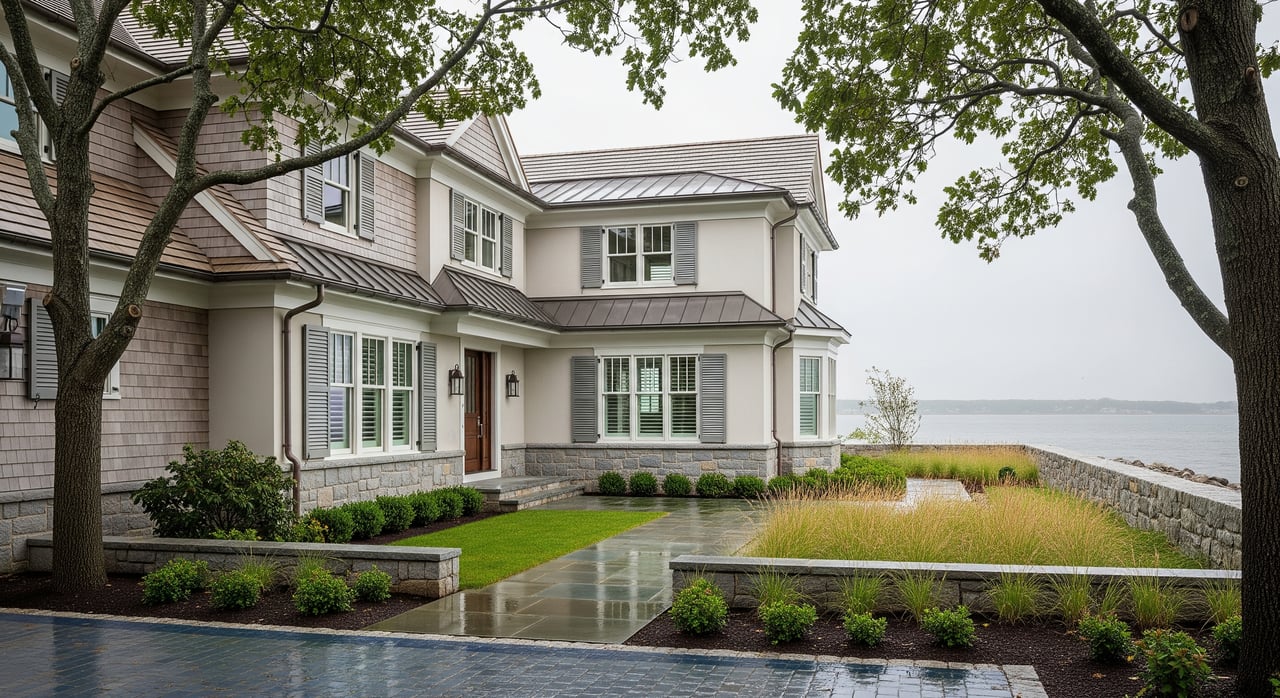
Landscaping can direct water safely away from the home. Simple green infrastructure such as rain gardens or permeable surfaces helps infiltration and aligns with the city’s stormwater practices. Shoreline or floodway work, including seawalls and retaining structures, is heavily regulated and may require local, state, or federal permits.
- Green infrastructure basics: Norwalk Stormwater Management
- Shoreline permitting context: Local report on floodplain and permits
Insurance and disclosure advantages
If your home is in a FEMA Special Flood Hazard Area and you carry a mortgage from a regulated lender, flood insurance is typically required. Policies are priced using property-level risk factors. Buyers may ask for elevation certificates, claims history, and estimates.
Documented mitigation can sometimes reduce premiums. Examples include elevating utilities, adding flood openings, and installing backflow valves. Keep receipts, permits, and photos in a simple “resilience folder” to share during due diligence. Proactive disclosure on flood status and completed improvements helps reduce buyer anxiety and can support a smoother closing.
- Flood insurance overview: CT DEEP NFIP resource
- Mitigation documentation reference: FEMA utility protection guide
Quick Norwalk seller checklist
- Verify flood zone and elevation. Obtain or update an Elevation Certificate if in an A, AE, or VE zone. Review the city’s flood hazard guidance.
- Fix low-cost items: clean and extend gutters, clear drains, seal minor foundation cracks, service sump pump and add backup, trim risky branches.
- Address utilities and plumbing: elevate or protect key equipment and consider a backflow valve if appropriate. Save documents and photos.
- Tackle visible, marketable upgrades: refresh roof components where needed and consider window or garage door improvements if they are at end of life.
- Gather permits, receipts, warranties, insurance history, and any elevation or mitigation certificates in one organized folder.
Local context to share in your listing
Buyers care about how the community is preparing too. Briefly highlight that Norwalk has a Sustainability & Resilience Plan and that the city continues to invest in stormwater and drainage improvements. Include a short note or link in your listing materials to show that both the home and the neighborhood are planning for the future.
Ready to prioritize the right improvements and present them clearly to buyers? Reach out to Thomas Vozzella for local guidance and a full-service strategy that pairs expert preparation with high-impact marketing.
FAQs
How do I check if my Norwalk home is in a flood zone?
- Use the city’s resource that links to FEMA flood maps to see your property’s status, and obtain an Elevation Certificate if you are in a Special Flood Hazard Area.
Do I need permits for floodplain or shoreline work in Norwalk?
- Many projects in mapped flood areas require city permits, and shoreline or floodway alterations may also need state or federal approvals, so contact the Building Department before starting.
Will adding a generator help my sale in Norwalk?
- Backup power reduces buyer risk during outages and can make your home more attractive; installed standby systems in Connecticut commonly cost several thousand to low five figures depending on size and setup.
Can flood-proofing measures lower my insurance premium?
- Sometimes; insurers may offer credits for documented mitigation like elevated utilities, flood openings, or backflow valves, so keep receipts and ask your carrier about potential discounts.
Which storm-hardening upgrades do buyers notice most?
- Buyers often look for sound roofs, effective drainage, updated windows or garage doors, reliable sump systems with backup, and clear documentation of any flood or wind resilience work.