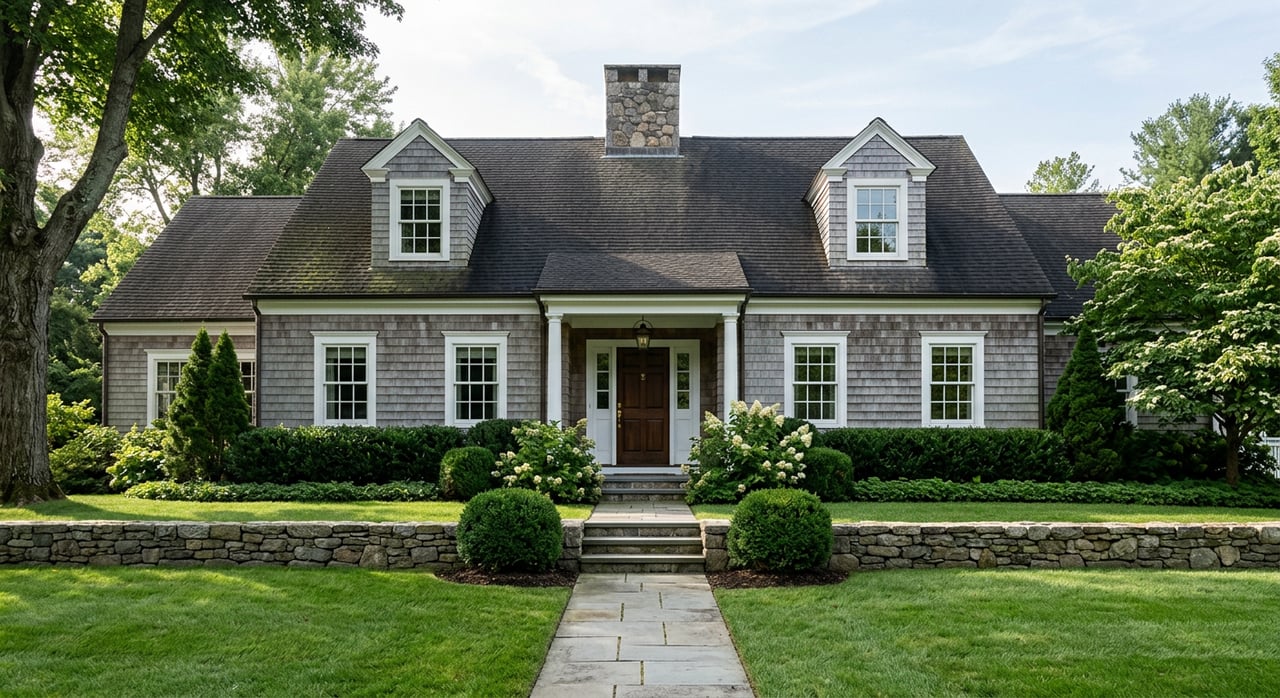
What draws you to a New Canaan home first: the timeless symmetry of a white‑clapboard Colonial or the glass‑to‑greenery drama of a mid‑century Modern? In this town, style is not just curb appeal, it shapes who will compete for your property, how you will maintain it, and how to position it for maximum value. If you are buying or selling in New Canaan, understanding the local signature styles gives you an edge. This guide shows you what to look for, who each style tends to attract, and the practical upkeep that protects long‑term value. Let’s dive in.
Why New Canaan style matters
New Canaan is known nationally for its architecture. The town center holds early Colonial and Colonial Revival homes, while the hills and wooded roads shelter a rare cluster of mid‑century Modern houses associated with the Harvard Five. That mix makes style a real driver of buyer interest, maintenance planning, and pricing.
To set context on value, the Town of New Canaan reported a median single‑family sale price of about $2.525 million through June 2024 in its fiscal year 2024 report. You should always match style, condition, and lot to recent comparables when pricing or offering, but that number is a useful benchmark for planning. You can review the figure in the town’s annual report for clarity on the date and metric cited. Town of New Canaan FY2024 report.
Signature styles you’ll see
Colonial and Colonial Revival
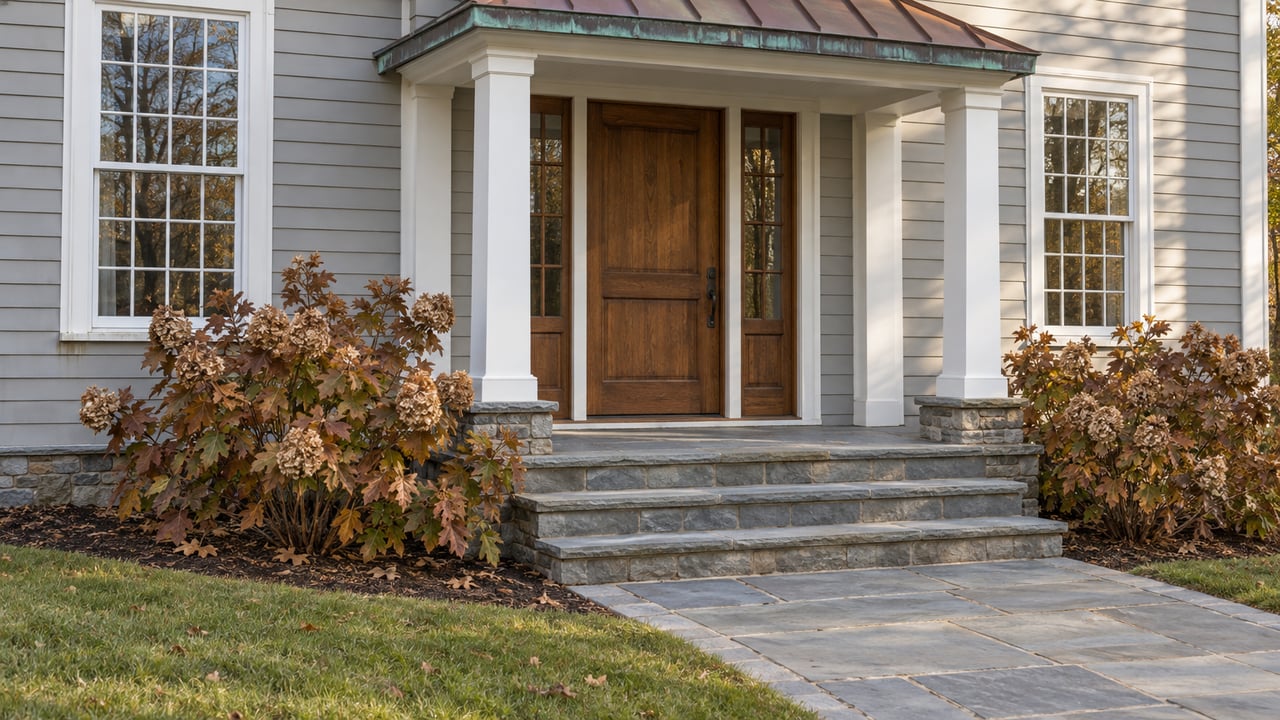
- Visual cues: symmetry, a centered front door with transom or pediment, multi‑pane double‑hung windows, clapboard siding, and prominent chimneys. See a quick primer in this American house style guide.
- Era: original 1700s to early 1800s, with popular revivals from the late 1800s through the 1940s.
- Local context: The Church Hill area near God’s Acre and Oenoke Ridge features many of the town’s oldest properties. The New Canaan Museum & Historical Society cares for several early homes, like the Hanford‑Silliman House.
- Buyer fit: Buyers who want traditional New England character and classic proportions often start here.
- Maintenance tip: Plan for ongoing wood siding and window upkeep, plus mechanical and insulation upgrades over time. Preservation guidance encourages repair over replacement for character‑defining features. See the WBDG preservation guidance for energy upgrades that respect historic fabric.
New England Farmhouse, Cape, and Shingle influences
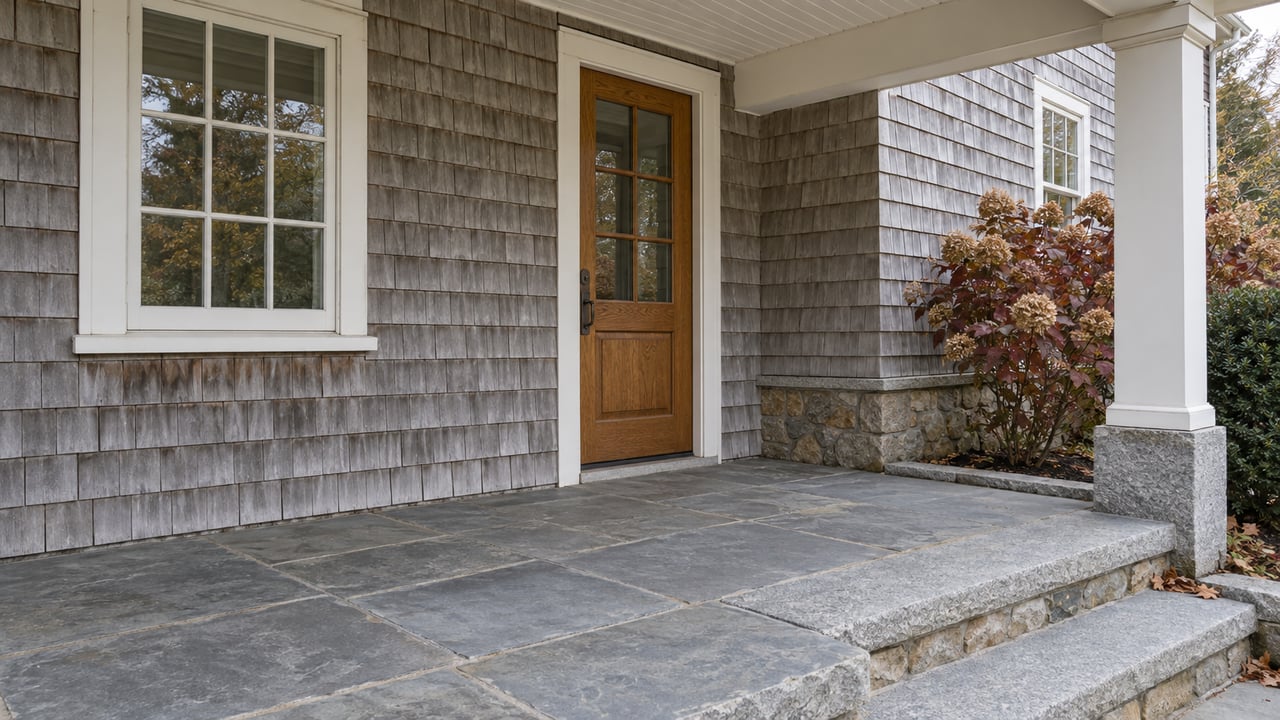
- Visual cues: simple gable or gambrel roofs, dormers on Capes, generous porches, and shingle or clapboard exteriors.
- Era: traditional forms adapted over centuries, with many expanded in the 20th century.
- Local context: You will find these along quieter roads and in larger‑lot settings north and west of the center.
- Buyer fit: Buyers who value relaxed, timeless curb appeal and indoor‑outdoor living respond well to these.
- Maintenance tip: Porches, wood shingles, and older foundations need periodic attention. Keep paint cycles steady and monitor drainage on larger sites. The WBDG preservation guidance outlines sensible, minimally invasive upgrades.
Tudor Revival and English cottage
- Visual cues: steep roofs, tall chimneys, half‑timbering, stucco and masonry, and casement or leaded windows. These are hallmarks of early 20th‑century revivals. See the National Park Service context for revival‑era characteristics in this reference asset.
- Era: roughly 1910 to the 1940s.
- Local context: Scattered in older subdivisions and the Silvermine area, often as storybook, country‑inspired homes.
- Buyer fit: Buyers drawn to craftsmanship and varied textures often zero in on these.
- Maintenance tip: Slate roofs, specialty masonry, and original casement windows can require tradespeople familiar with period materials. Budget for targeted expert repairs.
Mid‑century Modern, a New Canaan signature
- Visual cues: flat or low‑slope roofs, long overhangs, floor‑to‑ceiling glass, open plans, and post‑and‑beam frames that blend home and landscape. Learn more in the New Canaan Museum’s overview of Modern New Canaan.
- Era: late 1940s through the 1970s.
- Local context: New Canaan is one of the country’s most important concentrations of modern residential design, including landmarks tied to the Harvard Five and the National Trust’s Glass House.
- Buyer fit: Design‑focused buyers value authenticity, provenance, and sensitive restoration.
- Maintenance tip: Flat and low‑slope roofs need consistent care to prevent ponding and leaks. Start with routine inspections and drain clearing as outlined in this flat roof maintenance guide, and use contractors experienced with modernist details. The recent conservation work on the Glass House Brick House shows how water issues and specialized systems can drive complex projects. See the Glass House restoration update.
Contemporary and high‑end new construction
- Visual cues: larger footprints, asymmetry, and mixes of glass, stone, and metal with luxury systems and open interiors.
- Era: 1990s to present, often custom builds or rebuilds on larger lots.
- Buyer fit: Buyers who prioritize new systems, privacy, and turnkey living often lean contemporary.
- Maintenance tip: Focus on systems documentation, smart‑home integrations, and energy performance to protect long‑term operating costs.
Smaller cottages, ranches, and in‑town homes
- Visual cues: single‑story or modest 1.5‑story forms, smaller lots, and walkable proximity to the village and train corridor.
- Era: mid‑20th century onward, with ongoing renovations.
- Buyer fit: Buyers who want easy living and central convenience often target these.
- Maintenance tip: Keep an eye on roofs, grading, and basement moisture. Proactive drainage work can prevent common small‑house issues.
How style shapes value in New Canaan
- Rarity and authenticity matter. For modernist homes, documented design pedigree, intact details, and careful restoration can support premium pricing with design‑oriented buyers. The town’s modern legacy is well recorded by local institutions, which helps buyers assess significance. See the New Canaan Museum’s Modern New Canaan.
- Function still counts. For traditional homes, a practical layout, updated kitchens and baths, and flexible spaces often outweigh stylistic purity. Thoughtful improvements that respect the façade while modernizing systems tend to help resale.
- Quote numbers carefully. Price snapshots vary by source and date. When you reference data, name the metric and time frame. For example, the town’s FY2024 report cites a median single‑family sale price of about $2.525 million through June 2024. Town of New Canaan FY2024 report.
Smart maintenance and retrofit moves
- Plan roof care by style. Low‑slope and flat roofs demand scheduled inspections and fast action on drains and flashing. A simple maintenance rhythm reduces risk and protects interiors. See this contractor checklist for recurring tasks and timing: roofing maintenance checklist.
- Upgrade for comfort, not at the expense of character. On historically significant homes, repair and weather‑strip original windows and consider interior or exterior storms before replacement. Focus on reversible, minimally invasive work, consistent with preservation best practices from the WBDG and NPS.
- Document everything. For architect‑designed moderns and early houses, keep plans, permits, and contractor notes. Provenance and maintenance history support value and buyer confidence.
- Screen for older materials. In earlier structures, plan for lead‑paint, asbestos, and wiring evaluations by licensed pros. Your inspection team should be experienced with the era of your home.
Explore and learn locally
- See modernism up close. The National Trust’s Glass House offers tours and programs that illuminate New Canaan’s modern heritage. Learn more on the Glass House site.
- Visit the town’s early homes. The New Canaan Museum & Historical Society maintains historic properties and publishes research on local architecture, including the town’s Modern survey. Start with Modern New Canaan.
- Understand designations. The Connecticut State Historic Preservation Office documents statewide planning, including the recognition of New Canaan’s Modern houses in survey work and National Register listings. See the state preservation plan.
Putting it all together for your goals
Your best move is to align style, condition, and buyer strategy with clear data and expert presentation. If you are selling a classic Colonial, emphasize the symmetry, light, and any thoughtful system upgrades. If you are listing a mid‑century Modern, market the architecture and integrity with professional photography, detailed documentation, and targeted outreach to design‑aware buyers. For buyers, weigh daily function along with aesthetics, and confirm maintenance needs for the roof, windows, and envelope before you offer.
Ready to match your home’s style to the right plan? Connect with Thomas Vozzella for a custom pricing analysis, curated vendor support for prep and repairs, and white‑glove marketing that showcases what makes your New Canaan property stand out.
FAQs
What home styles define New Canaan, CT?
- You will commonly see Colonial and Colonial Revival near the historic center, mid‑century Modern homes by noted architects across wooded lots, plus farmhouse, Cape, Shingle‑inspired homes, Tudor Revivals, contemporary new builds, and smaller in‑town cottages.
Are New Canaan’s mid‑century Modern homes protected from demolition?
- Some are recognized through surveys and National Register listings, but most stand outside the small local Historic District. Always confirm a property’s designation and what local Historic District Commission rules apply. The state preservation plan provides helpful context: CT SHPO plan.
What extra maintenance should I expect with a mid‑century Modern in New Canaan?
- Expect higher attention to low‑slope roofs, glazing, and specialty details. Use contractors experienced with modern restoration, follow a strict roof maintenance schedule, and review this flat‑roof guide: maintenance and leak prevention. The Glass House Brick House restoration shows how water and systems can complicate projects: restoration update.
How does home style affect resale value in New Canaan?
- Authenticity and condition are key. Documented modernist homes with intact details can draw strong interest from design‑focused buyers, while well‑updated traditional homes with practical layouts appeal to broader audiences. Quote data by date and metric, like the town’s FY2024 median single‑family price of about $2.525 million: New Canaan FY2024 report.
What are smart, respectful upgrades for older New Canaan homes?
- Start with reversible, low‑impact energy improvements such as weather‑stripping and storms, repair original windows where possible, and consult preservation best practices before replacing character features. See WBDG preservation guidance.