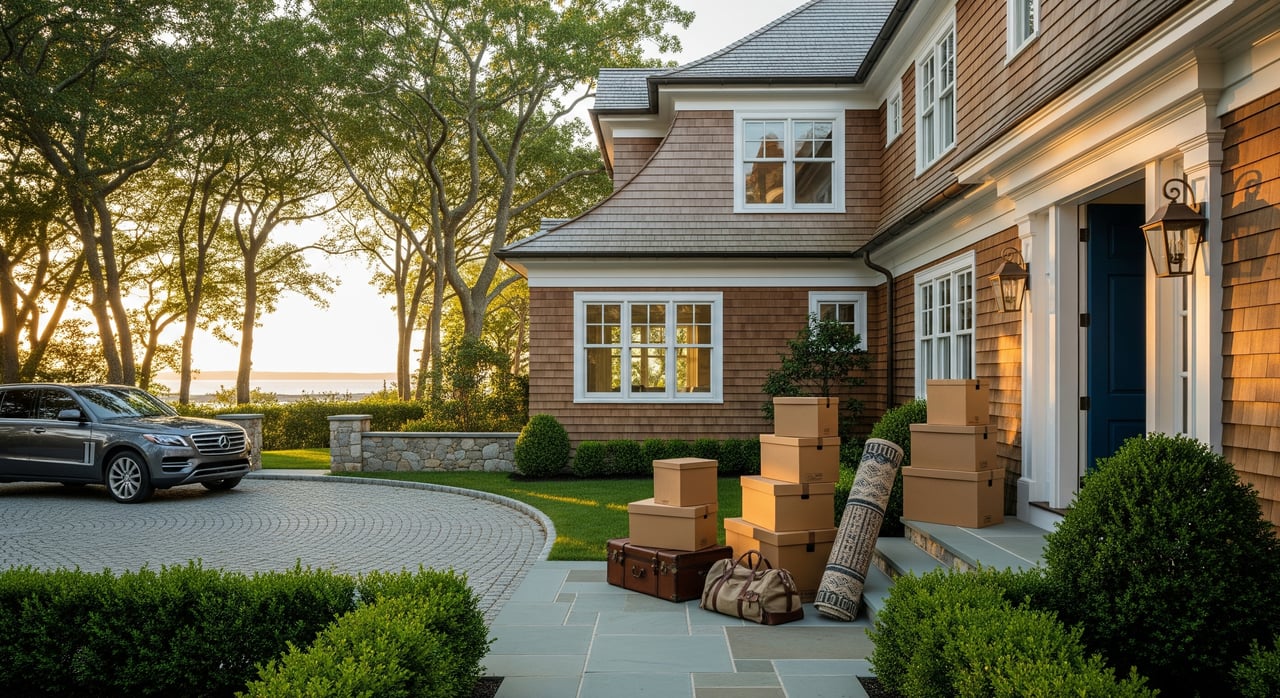
Thinking about trading your NYC pace for Greenwich space? The move can feel big, especially when you are juggling commute planning, school enrollment, and a very different Connecticut closing process. With a clear 90‑day plan, you can relocate with confidence and keep your timeline on track. In this guide, you will get a step‑by‑step schedule, buyer and renter must‑dos, a primer on CT closings, and local resources to help you land smoothly. Let’s dive in.
90‑day timeline at a glance
Days 90–61: Set strategy and book early
- Define priorities: commute tolerance, school needs, lot and bedroom requirements, and budget.
- Choose a local agent experienced with NYC transferees and Greenwich neighborhoods; set touring dates.
- Review current lease notice terms and plan for 1–2 weeks of overlap if possible.
- Begin school research using the Greenwich Public Schools enrollment pages and contact private schools about transfer timelines.
- Get 3 mover quotes and reserve preferred dates; consider temporary housing if buying on a longer timeline.
Days 60–31: Execute your search and logistics
- Tour target neighborhoods and make offers or apply for rentals; include inspection and financing contingencies for purchases.
- Schedule inspections within about a week of contract acceptance; order specialty inspections if needed.
- Start mortgage underwriting or finalize lease; line up utility and internet options by address.
- Research commuter parking and station access via the Town of Greenwich site and check train schedules on Metro‑North.
Days 30–15: Lock dates and transfers
- Buyers: confirm closing date with your CT attorney, lender, and title company; plan your final walkthrough.
- Renters: confirm lease start, key pickup, and move‑in rules.
- Book the moving day, elevator reservations, and truck parking; begin USPS change of address.
- Schedule utility and internet activation for move‑in; some providers need 7–14 days.
Days 14–0: Close, move, and settle in
- Complete your final walkthrough and prepare certified funds or wire per attorney instructions.
- Pack a day‑of essentials box and confirm mover arrival and building rules.
- Close in person at your attorney or title office; verify wiring instructions by phone to a known contact to avoid fraud.
- After move‑in, update your license and registration with the Connecticut DMV and review local services on the Town of Greenwich site.
Buyers vs. renters: Key differences
If you are buying
- Expect many Connecticut closings to occur 30–60 days after contract acceptance, depending on financing.
- Retain a CT real estate attorney shortly after offer acceptance. Attorneys manage contract review, title, and the closing.
- Plan for inspections within about a week, appraisal soon after, and a final walkthrough 24–72 hours before closing.
If you are renting
- NYC leases often require 30–60 days’ notice. Confirm your exact clause and plan your overlap.
- Aim to sign your Greenwich lease at least 30 days before move‑in to secure dates and utilities.
- Ask about move‑in procedures, elevator reservations, and any building-specific requirements.
Commute and daily life in Greenwich
- Rail to Manhattan: Greenwich has four Metro‑North New Haven Line stations—Greenwich, Cos Cob, Riverside, and Old Greenwich. Peak express trains to Grand Central can run under an hour, but times vary by station and schedule. Check current options on Metro‑North.
- Driving: I‑95 and the Merritt Parkway are primary corridors. Travel time varies with traffic, often longer than rail during peak hours.
- Station parking: Permit availability can be limited. Review commuter lot policies and alternatives on the Town of Greenwich site and consider rideshares or drop‑offs.
Neighborhood snapshots to tour
Central Greenwich
- Lively town center with retail, restaurants, and cultural amenities near the Greenwich station.
- Consider walkability, access to town services, and proximity to parks.
Riverside
- Coastal village setting with access to the Riverside station.
- Mix of single‑family homes and neighborhood parks; convenient rail options.
Old Greenwich
- Village feel with a dedicated downtown and nearby Greenwich Point beachfront.
- Old Greenwich station access and active community life.
Cos Cob
- Residential village closer to the Stamford border with its own station and small downtown.
- Quiet neighborhood character with convenient rail access.
Belle Haven
- Upscale waterfront peninsula areas with larger estates and private clubs.
- Prestige market with private amenities and quick access to central Greenwich.
Backcountry and Pemberwick/Byram
- Lower‑density areas with larger lots or more rural feel in parts of backcountry.
- Longer drives to downtown and stations; confirm school attendance zones using Greenwich Public Schools.
For town maps, permits, and services, start with the Town of Greenwich.
The Connecticut closing primer
- Attorney role: Connecticut closings are attorney‑led. Buyers and sellers typically have counsel that reviews contracts, completes the title search, clears liens, and conducts the closing. Learn more about local practice standards via the Connecticut Bar Association.
- Title and insurance: Your attorney coordinates title search and title insurance commitments. Lenders require a lender’s policy; discuss an owner’s policy with your attorney.
- Funds and wiring: Wires are common. Always confirm wiring instructions directly by phone with your closing attorney to avoid fraud. Certified checks may be acceptable in some cases.
- Timing: Many residential purchases close 30–60 days after contract, depending on financing and contingencies. Cash deals can be faster but still require title clearance.
- Costs and taxes: Expect attorney fees, title insurance, recording fees, prorations, and possible conveyance taxes or municipal fees. For official tax guidance, consult the Connecticut Department of Revenue Services and your attorney.
Concierge checklist by week
Weeks 12–9 (Days 90–61)
- Interview agents and schedule a 2–3 day tour that includes a peak‑hour train test.
- Start public school enrollment planning on the Greenwich Public Schools site; contact private schools about transfer availability.
- Collect 3 mover estimates with proof of insurance; hold a preferred date.
- Consider temporary housing if your closing might land after your move target.
Weeks 8–5 (Days 60–31)
- Buyers: make offers and open attorney review; schedule inspections and authorize appraisal.
- Renters: apply for target rentals and confirm lease timing and deposits.
- Utilities: verify address‑specific options. For electric and gas, start with Eversource. Order internet 1–2 weeks ahead.
- Commuter parking: research permits and daily lots on the Town of Greenwich site; identify rideshare or drop‑off plans.
Weeks 4–3 (Days 30–15)
- Buyers: confirm closing date with your attorney and lender; plan for the final walkthrough.
- Renters: lock your move‑in date, elevator window, and building rules.
- Submit change of address with USPS; update banks, payroll, and subscriptions.
- Schedule utility and internet activation for the move‑in date.
Final 2 weeks (Days 14–0)
- Verify closing funds and instructions with your attorney by phone; beware of wire fraud.
- Pack a essentials box and label rooms clearly for movers.
- Move day: manage truck parking and building access; keep IDs and important documents handy.
- After move: transfer your license and vehicle registration using the Connecticut DMV; review trash and recycling info on the Town of Greenwich site.
School enrollment quick notes
- Public schools: Enrollment typically requires proof of residency, immunizations, and prior records. Start with the official Greenwich Public Schools enrollment pages for forms and timelines.
- Private schools: Contact admissions early for mid‑year placement. Many require interviews and testing.
Commuter reality check
- Rail is often the most predictable option at peak times. Check live schedules and express options on Metro‑North.
- Station parking can be limited. Review town permit policies on the Town of Greenwich site and consider alternate stations or drop‑offs.
- Test your commute during your tour to calibrate door‑to‑door time.
After you arrive
- Set up or confirm trash, recycling, and bulk pickup with the Department of Public Works via the Town of Greenwich site.
- Identify primary care physicians, pediatricians, dentists, and specialists; transfer medical records.
- Register to vote and update any state or municipal services. For tax questions, consult your advisor and the Connecticut Department of Revenue Services.
Your next step
If you want a local guide to streamline neighborhood tours, manage the timeline, and coordinate trusted vendors, connect with Thomas Vozzella. With deep Fairfield County expertise and a full relocation playbook, you will move with clarity and confidence.
FAQs
How long is the Greenwich to Grand Central commute by train?
- Peak express trains from Greenwich, Cos Cob, Riverside, and Old Greenwich can run under an hour, but times vary; confirm current schedules on Metro‑North.
Do I need a Connecticut attorney to buy a home in Greenwich?
- Yes, Connecticut closings are attorney‑led; a CT attorney will review your contract, manage title, and conduct the closing, as outlined by the Connecticut Bar Association.
When should I give notice to my NYC landlord before moving to Greenwich?
- Check your lease for the required notice window, often 30–60 days, and plan a short overlap if feasible to reduce move‑out and move‑in stress.
How soon must I change my driver’s license and car registration in Connecticut?
- New residents must follow Connecticut DMV timelines for transferring licenses and registrations; verify current deadlines and documents before your appointment.
How do Greenwich public school enrollments work for mid‑year moves?
- Contact Greenwich Public Schools early to confirm required residency documents, immunizations, and placement steps for your move date.
What should I know about station parking at Greenwich train stops?
- Permit availability and fees vary by lot and can be limited; review policies on the Town of Greenwich site and consider daily lots, rideshares, or drop‑offs.