Listing in Norwalk soon and want a smooth sale at a strong price? The fastest way to get there is a tight plan that handles Connecticut’s required paperwork, Norwalk-specific details, and the right prep work in the right order. You want clarity, no surprises, and clean negotiations. This guide walks you through a practical, step-by-step checklist designed for Norwalk sellers so you launch with confidence. Let’s dive in.
Know the Norwalk and Connecticut must-dos
Complete the CT seller disclosure
Connecticut requires a Residential Property Condition Disclosure Report for 1–4 unit homes. It must be delivered to a buyer before they sign a binder or purchase contract, and attached to any written offer or agreement. If you do not provide it, you must credit the buyer $500 at closing. See the statute for details on timing and delivery. Review the CT disclosure law.
The disclosure is your responsibility. It is not a substitute for a buyer’s inspection, but it must be truthful and complete. If you know about a defect, disclose it.
Handle lead-based paint if your home is pre-1978
If your Norwalk home was built before 1978, you must disclose known lead-based paint information, provide the federal lead pamphlet, and allow buyers a 10-day window to test for lead unless both parties agree in writing to a different period. Read the federal lead disclosure pamphlet.
Consider radon testing
The Connecticut Department of Public Health recommends radon testing for all homes. The EPA action level is 4 pCi/L. In our market, radon results can influence negotiations, so a short-term test before listing can save time later, especially if you have a basement or if your home will be shown in winter months. Learn more about testing, mitigation, and qualified professionals from CT DPH’s Radon Program.
Gather Norwalk permits and COs
Buyers and appraisers often ask for proof that work was permitted and closed out. Collect permits and certificates of occupancy for additions, decks, conversions, or system upgrades. If you need to verify what requires approval, start here: Norwalk permit requirements. For sewer or street-related items, the Department of Public Works oversees certain permits and connection records. Check with Norwalk DPW Permits.
Confirm taxes and recent revaluation
Norwalk completed a citywide revaluation in 2023. Download your property record card and recent tax bills so buyers have accurate information. You can access assessment details and maps through the Norwalk Assessor’s Office.
Know the foundation context in CT
Connecticut has an ongoing issue in certain towns related to crumbling concrete foundations caused by pyrrhotite. Norwalk is not typically among the hardest-hit areas, but if you have unusual cracking or an older concrete foundation, consider a structural review and disclose what you know. The state’s relief program posts guidance and criteria at CFSIC’s underwriting criteria page.
Your prioritized pre-listing checklist
Use this sequence to work 2 to 6 weeks before launch. Adjust for your timeline.
Immediate: start 3–6 weeks out
Gather required documents:
- Completed CT Residential Property Condition Disclosure Report. See the disclosure statute.
- Federal lead pamphlet and any lead reports for pre-1978 homes. Access the pamphlet.
- Copies of permits and COs for prior work. Verify needs via Norwalk permit requirements.
- Utility bills for 12–24 months, appliance manuals and warranties, title/deed, and HOA or condo resale documents if applicable. Pull official records through the Norwalk Assessor.
Check safety and core systems:
- Test smoke and CO detectors, replace batteries, and note counts in your disclosure.
- Service HVAC, change filters, check the water heater, fix broken outlets or switches, and address any obvious electrical issues.
Book a pre-listing inspection (optional but recommended):
- A seller-paid inspection can surface issues early so you can choose repairs or adjust pricing and disclosures. Buyers may still inspect, but your report reduces surprises. Review benefits and cautions from ASHI’s pre-listing overview.
High-priority fixes: 2–4 weeks out
- Address safety and code items first: electrical hazards, roof leaks, active plumbing leaks, unstable stairs or handrails.
- Repair or disclose water intrusion and mold. Keep receipts for any remediation.
- Replace cracked windows and broken door hardware; fix doors that stick.
- If you have an underground oil tank or unpermitted work, consult your agent on documentation and disclosure.
Cosmetic and curb appeal: 2–3 weeks out
- Declutter and depersonalize. Pack off-season items and reduce visual noise on shelves and counters.
- Deep clean: carpets, windows, grout, and kitchen appliances. Plan a final professional clean after any repairs.
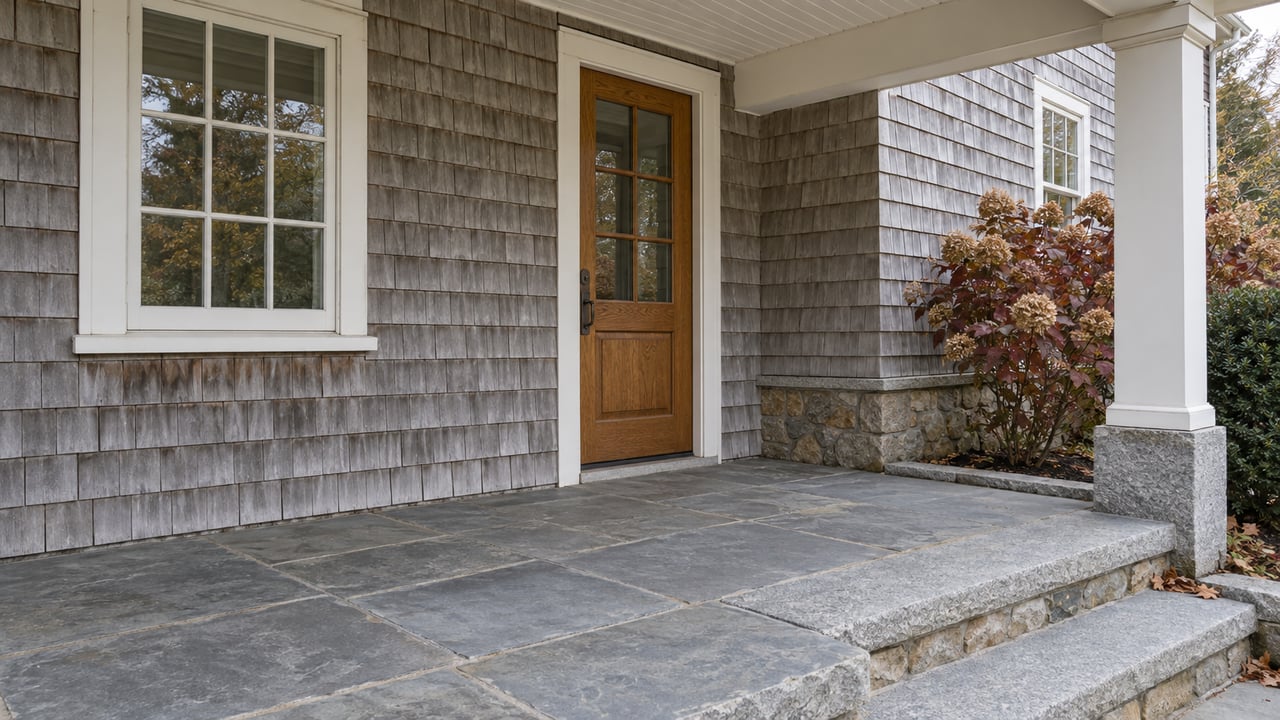
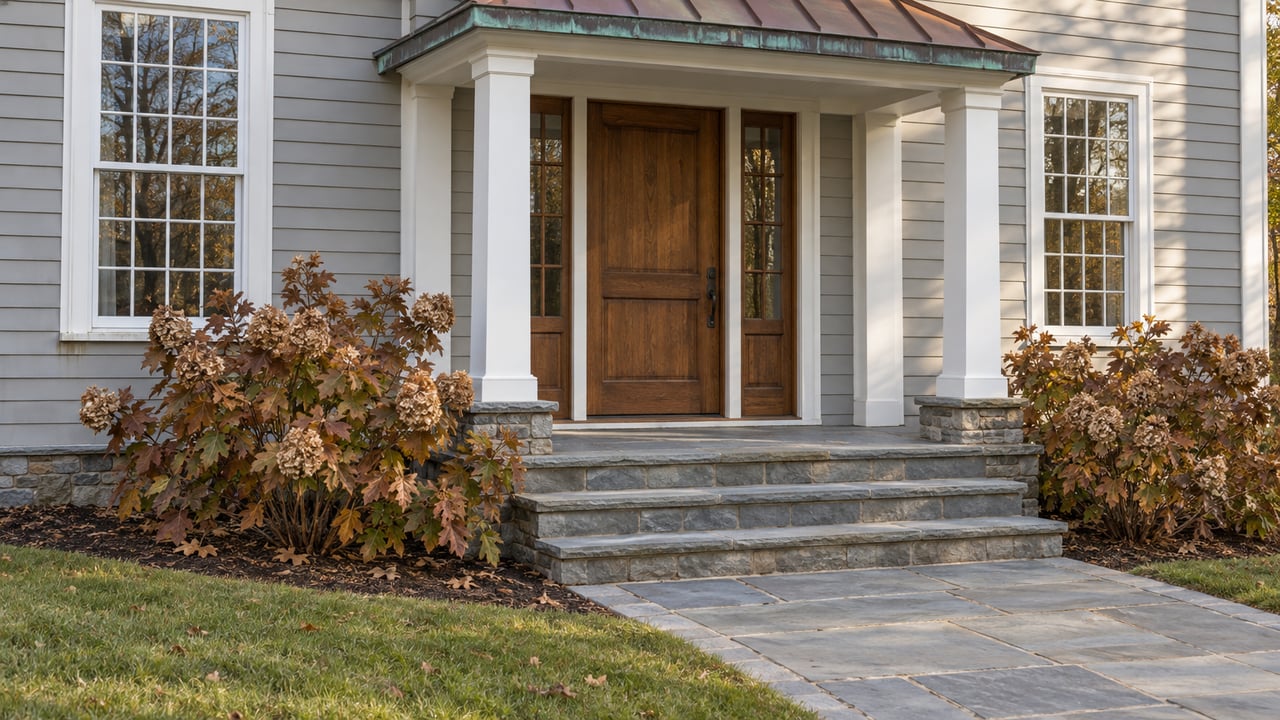
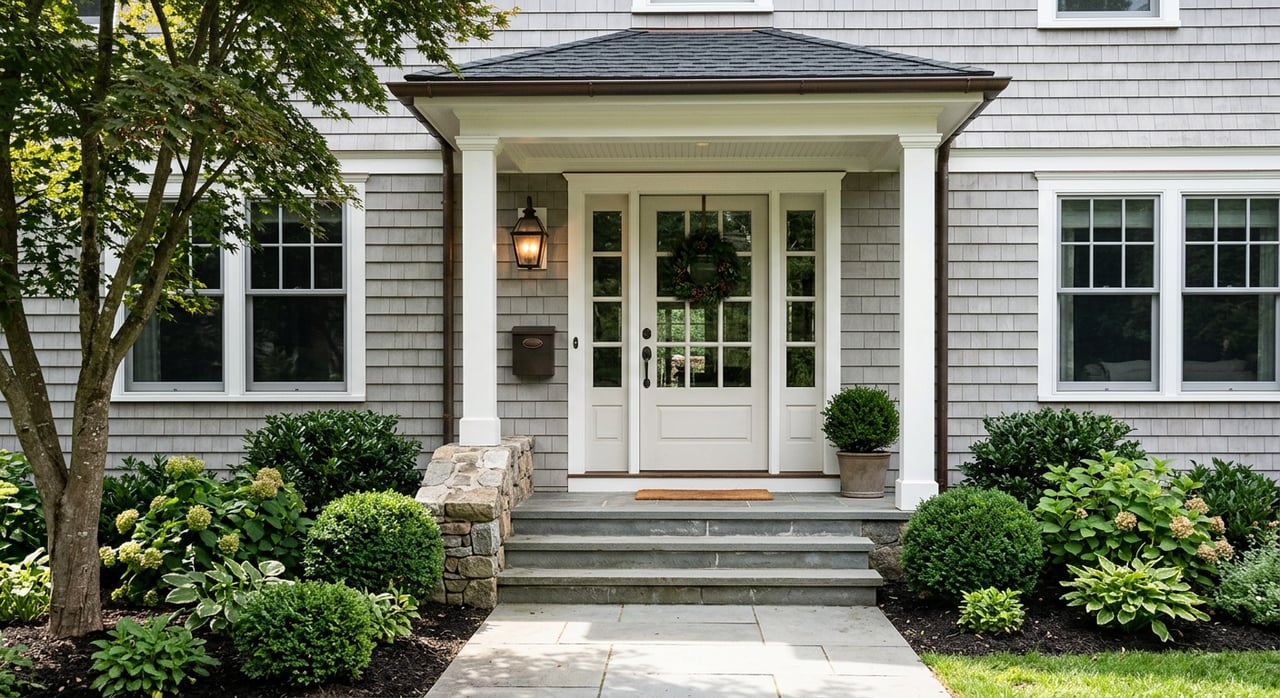
- Exterior refresh: mow and edge, remove dead plants, add fresh mulch, power wash siding and walkways, repaint or clean the front door and trim, and ensure house numbers and porch lighting are in good working order.
- Focus on quick wins with strong national ROI benchmarks, like a garage door or entry door refresh, exterior paint touch-ups, and tidy landscaping. See national comparisons at Cost vs Value.
Staging and photos: 1–2 weeks out
- Prioritize staging in the living room, kitchen, and primary bedroom. According to NAR, 81% of buyers’ agents say staging makes it easier for buyers to visualize the property. Review the findings in NAR’s Profile of Home Staging.
- Book a professional photographer after staging and a final clean. Provide a prep list: open curtains, clear countertops, hide trash bins and pet items, remove bath products and small rugs, turn on all lights, and set the thermostat to a comfortable temperature.
Final 48–72 hours
- Touch up paint, polish hardware, remove price tags and stickers, and clean inside the fridge and oven.
- Make beds, stow pet bowls and litter boxes, and park cars off-site for photos and showings.
Day-of showing checklist
- Turn on all interior lights, open blinds, secure or remove valuables, and take pets off-site. Keep walkways clear and the home at a comfortable temperature.
Tests, inspections, and documents to consider
Pre-listing inspection: A full inspection covers structure, roof, HVAC, electrical, plumbing, and foundation. It helps you decide what to fix versus disclose and how to price. Read ASHI’s guidance on pre-listing inspections.
Radon test: Recommended statewide, especially for homes with basements. CT DPH outlines test types, the 4 pCi/L action level, mitigation methods, and typical costs. Learn more on CT DPH’s Radon Program.
Lead info for pre-1978 homes: Provide the federal pamphlet and disclose known records. Buyers have a right to a lead assessment period. Review the federal pamphlet.
Sewer or septic: If you are on public sewer, confirm connection and keep documentation. If you are on a private septic, order a pumping and inspection and keep the report on hand. Find DPW permit and connection details via Norwalk DPW Permits.
Chimney, moisture, or pest inspections: Consider these if you see visible issues or if they are common asks for local financing.
Foundation review: If you notice unusual cracking or have an older concrete foundation, consult a structural engineer. For statewide guidance on Connecticut’s crumbling foundation issue, see CFSIC resources.
Due diligence packet: Include your disclosure form, permits and COs, survey, recent appraisal, utility bills, major system receipts, warranties, and any inspection or engineering reports. Buyers and appraisers appreciate a complete, organized file.
Smart improvements and ROI
Use data to pick upgrades that photograph well and appeal to buyers without overbuilding for your neighborhood.
Curb appeal first: National 2025 Cost vs Value benchmarks show garage door and entry door upgrades among the highest recouping projects. Minor exterior touch-ups and landscaping often deliver quick, visible impact. Explore benchmarks at Cost vs Value.
Kitchens that count: A minor midrange kitchen remodel has posted strong national averages, with examples around a 113% recoup in 2025 national data. Confirm scope and pricing with your agent to fit Norwalk’s submarket expectations.
Stage to sell: NAR reports that staging helps buyers visualize and can reduce days on market. Focus on the living room, kitchen, and primary bedroom, then capture it with strong photography. See NAR’s staging report.
Spend where it shows: Fresh paint in neutral tones, lighting and hardware updates, cleaned or refinished floors, and a manicured yard offer reliable returns. Avoid major renovations unless they align with neighborhood value and your timing.
Two-week sprint to launch
Use this condensed plan when you are close to going live.
- 6+ weeks: gather documents, complete the CT disclosure, pull Norwalk permits and tax records, book a pre-listing inspection, and schedule contractors.
- Weeks 3–4: finish safety and priority repairs, order a radon test, handle septic or sewer confirmations, and finalize the staging plan.
- Week 2: deep clean, complete landscaping and exterior touch-ups, confirm photography date.
- Days 3–7: professional photography after staging and final clean, finalize floor plan and features list, assemble the disclosures packet.
- Launch day: ensure the home is show-ready, lockbox and keys are coordinated, and your agent has all disclosure and inspection documents.
Ready to list with confidence
When you pair the right Norwalk-specific prep with clear disclosures and strong presentation, you reduce friction and improve your leverage at the table. If you want a full-service partner to coordinate vendors, staging, photography, and pricing strategy, connect with Thomas Vozzella for a tailored plan that maximizes your net proceeds.
FAQs
Do Norwalk sellers have to provide a disclosure form?
- Yes. Connecticut requires a Residential Property Condition Disclosure Report for 1–4 unit homes before a buyer signs a binder or contract, and failing to provide it triggers a $500 buyer credit at closing.
What if my Norwalk home was built before 1978?
- You must disclose known lead-based paint information, provide the federal lead pamphlet, and allow a 10-day opportunity for buyer lead testing unless both parties agree otherwise.
Should I test for radon before listing in Norwalk?
- Connecticut recommends testing all homes, and results often factor into negotiations. Testing and, if needed, mitigation before listing can remove a common hurdle for buyers.
Do I need permits and COs for past work in Norwalk?
- Yes, buyers and appraisers often ask for them. Gather permits and certificates of occupancy for additions, decks, and system upgrades, and confirm requirements with Norwalk’s building, zoning, and DPW offices.
Which pre-listing projects offer the best ROI?
- National data highlights garage and entry door replacements, minor kitchen updates, and curb-appeal improvements as strong performers. Align scope and finish level with your neighborhood and price point.