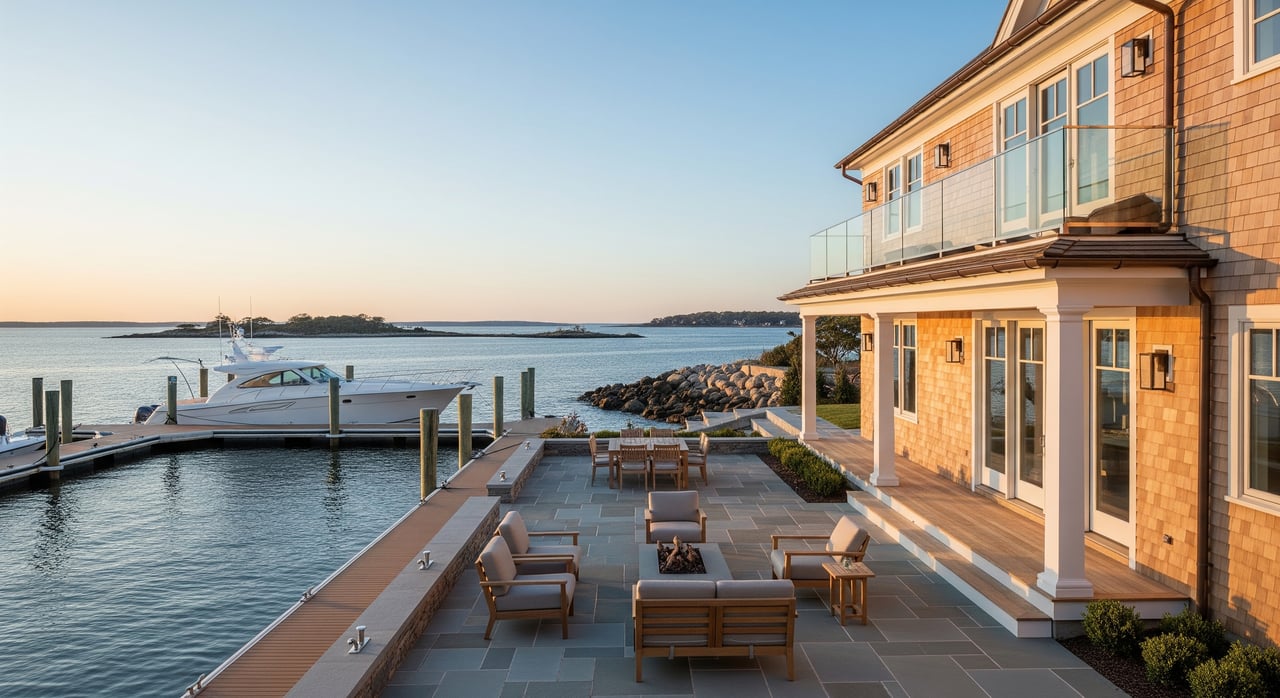
Imagine waking up to the sound of gulls, the scent of salt air, and sunlight bouncing off the harbor. If you’re drawn to the coastal lifestyle in Fairfield County, Norwalk offers a mix of walkable harbor blocks, sandy beaches, and a strong boating culture. In this guide, you’ll learn how the waterfront neighborhoods feel day to day, where to access marinas and beaches, and what to know about docks, flood insurance, and commuting. Let’s dive in.
Where to live by the water
South Norwalk (SoNo)
SoNo centers on the harbor and a historic downtown with restaurants, galleries, and nightlife. You get a lively, walkable setting near the water and easy access to services. Condos and townhomes are common, and many buyers value the urban energy paired with coastal views.
East Norwalk and Calf Pasture
East Norwalk offers a quieter, more residential vibe with access to large public waterfront parks and beaches. The Calf Pasture area is known for shoreline walking, picnicking, and seasonal beach activities. You’ll find single‑family homes and renovated cottages along the streets that trace the coves.
Rowayton village
Rowayton sits at Norwalk’s southwestern edge. It has a small‑scale village feel with local shops and close ties to boating. The housing mix includes historic homes and updated properties near inlets and coves.
The islands and coves
The Norwalk Islands are a major recreational draw for boaters, birders, and day trips. They are not residential, but they shape local boating routes, fishing spots, and scenic views from the shoreline.
Daily life on the waterfront
Summer rhythm
Warm months bring active marinas, paddleboarding and kayaking, and busy harborfront patios. Weekends see visitors at beaches and along the waterfront. If you enjoy boating and outdoor dining, summer will feel like your sweet spot.
Spring, fall, and winter
In spring and fall, boating ramps up or winds down, and cooler water limits swimming. Waterfront walks and dining continue, just at a calmer pace. Winter is quieter, and waterfront homes see more wind, salt spray, and storm exposure.
Morning to evening
Mornings are great for shoreline walks or a quick paddle if you have storage or a dock. Days often include commuting, errands, and routine home upkeep. Evenings might be dinner in SoNo, a harbor stroll, or weekend trips out to the islands by charter or private boat.
Boating, marinas, and access
Norwalk Harbor supports a mix of public and private marinas, yacht clubs, and boatyards. Typical services include seasonal and transient slips, dry storage, ramps and launches, winter storage, fueling, pump‑outs, and repair. Slip costs and waitlists are common in Fairfield County, especially for larger boats. Kayak and small‑boat storage or public launch options are often easier to secure.
Permits, moorings, and safety
If you hope to add or modify a dock, understand the approvals involved. The City’s harbormaster and harbor commission, Connecticut DEEP, and the U.S. Army Corps of Engineers all play roles in regulating docks, piers, and seawalls. Local harbor rules, speed zones, and seasonal swim markers also guide how close boats operate to shore. Shellfishing and swimming can be affected by water‑quality advisories, which vary by season.
Norwalk Islands and day trips
The Norwalk Islands offer day‑use destinations for nature watching and exploring by boat. Seasonal programming and island visits are common through local organizations. If you plan to boat there, learn the channels, shoals, and protected areas before you go.
Beaches and parks
Calf Pasture Beach Park in East Norwalk is a key public asset for swimming, picnics, and shoreline walks. Parks and promenades along the harbor add more places to get on the water. Hours, lifeguard coverage, and seasonal rules can change, so check current schedules before planning your day.
Homes and ownership basics
What you’ll find
Near the harbor and in SoNo, condos and townhomes are common, some with water views and on‑site parking. Along East Norwalk and Rowayton, you’ll see single‑family homes ranging from historic cottages and mid‑century designs to newer renovations. New construction near the shoreline is limited and shaped by coastal regulations.
Docks, seawalls, and shoreline rules
Owning waterfront land does not automatically include a private dock. Upland and tidal rights, easements, and local and state rules can limit docks or shoreline changes. Seawalls, bulkheads, and riprap need inspection and periodic maintenance. If you plan improvements, expect a permitting process that can involve multiple agencies.
Flood risk and insurance
Waterfront properties face elevated flood and storm‑surge exposure. You should check FEMA flood maps, ask for elevation certificates, and understand how risk affects insurance. Many buyers use NFIP policies or private flood insurance. Premiums depend on zone, elevation, and construction type.
Maintenance and budgets
Salt air accelerates wear on metal, wood, and exterior finishes. Plan for ongoing upkeep and potential seawall repairs. Budgeting for inspections, preventative maintenance, and corrosion control will help you protect your investment.
Commuting and daily logistics
Rail and station access
Norwalk is on the Metro‑North New Haven Line, with service from the South Norwalk station and other local stops. Trains connect you to Stamford, New Haven, and New York City. Parking and bike storage options vary by station, so confirm availability as part of your search.
Driving and parking
I‑95 and the Merritt Parkway are the main routes. Traffic can be heavy during peak commuting hours and on summer weekends along the coast. Waterfront streets can be narrower, and parking near popular areas fills quickly in warm months.
Errands and storage
Waterfront neighborhoods are generally close to groceries, schools, and healthcare, though access varies by area. SoNo offers more urban services, while Rowayton has a small village center for daily needs. If you own watercraft, plan for gear storage, racks, or marina options.
Is waterfront living right for you?
Living on the water in Norwalk delivers scenic views, direct access to boating, and a lively maritime culture. You also take on higher maintenance, flood and insurance considerations, and seasonal crowds near popular spots. Balancing these trade‑offs helps you decide if the lifestyle fits your goals.
Quick buyer checklist
- Verify FEMA flood zone, request elevation certificates, and discuss insurance options.
- Confirm any existing dock rights, easements, and permit history before you buy.
- Ask about seawall condition, recent inspections, and expected maintenance.
- Contact nearby marinas about slip or mooring availability and potential waitlists.
- Review local harbor rules, beach policies, and seasonal schedules.
- Map your commute and parking needs by rail and road.
Ready to explore homes on Norwalk’s waterfront?
You deserve a confident, well‑planned move supported by deep local knowledge. With 25+ years of Fairfield County experience and white‑glove service, Thomas Vozzella helps you evaluate flood risk, permits, and property condition while guiding you to the right neighborhood fit. If you’re considering selling, he pairs Berkshire Hathaway marketing with a curated vendor network to showcase your home at its best. Reach out when you’re ready to tour, compare options, or get an instant home valuation.
FAQs
How does flood insurance work for Norwalk waterfront homes?
- Many waterfront properties require flood insurance; costs depend on FEMA flood zone, elevation certificate, and construction type, and you can compare NFIP and private options.
Do Norwalk waterfront homes automatically include a private dock?
- No; dock rights depend on deeded access, easements, and permits, and any new or modified dock typically needs approvals from local and state agencies.
What should I know about marina slips and moorings in Norwalk?
- Expect seasonal demand, pricing differences between transient and seasonal slips, and potential waitlists; small‑craft storage and public launches are usually more accessible.
Are there public beaches and parks near East Norwalk?
- Yes; Calf Pasture Beach Park and other shoreline parks offer swimming, picnicking, and waterfront walks, with seasonal hours and rules that can change year to year.
How is the commute to NYC from Norwalk’s waterfront areas?
- Metro‑North’s South Norwalk and other stations connect to New York City, while I‑95 and the Merritt serve drivers; timing varies by schedule and traffic conditions.
What maintenance should I plan for a shoreline property in Norwalk?
- Salt air speeds wear on metal, wood, and finishes, and seawalls need periodic inspection and repair; budget for ongoing exterior maintenance and corrosion control.