If you are exploring investment property opportunities in Stamford and Norwalk, you are probably asking the same question many local buyers ask: where can you still find a smart entry point in a high-cost market? These two Fairfield County cities continue to attract attention because they combine strong commuter access, active housing demand, and a mix of property types that can fit different investment goals. In this guide, you will get a practical look at what drives opportunity, what to watch closely, and how to evaluate deals with more confidence. Let’s dive in.
Why Stamford and Norwalk Stand Out
Stamford and Norwalk both benefit from direct rail access on the Metro-North New Haven Line, which helps support commuter-oriented housing demand and small mixed-use ownership opportunities. Stamford connects along the New Haven Line to Grand Central Terminal, and South Norwalk also serves riders with New Haven Line access and Norwalk Transit connections, according to the Metro-North New Haven Line overview.
That transportation link matters because it can support steady interest from renters who want access to job centers without relying entirely on a car. For investors, that often makes rail-adjacent neighborhoods and downtown districts worth a closer look. It also helps explain why both cities continue to see activity despite higher-than-average price points.
Market Snapshot for 2026
As of early 2026, Zillow reports Stamford’s average home value at $684,684, with homes going pending in about 16 days and average rent at $2,873. In Norwalk, the average home value is $653,113, homes go pending in about 13 days, and average rent averages $2,684, based on Zillow market data for Stamford and Norwalk.
Those numbers suggest two important things. First, both markets remain relatively liquid, which can matter if you eventually plan to sell or reposition an asset. Second, rental income potential may be appealing, but the purchase price, tax burden, and operating costs need to be underwritten carefully.
Census QuickFacts also show owner-occupied housing unit rates of 48.8% in Stamford and 55.6% in Norwalk, based on U.S. Census housing data. That points to Stamford being somewhat more renter-oriented, while Norwalk still maintains a strong ownership base with meaningful rental demand.
Best Property Types to Consider
Small Multifamily Buildings
For many investors, small multifamily properties are the most straightforward place to start. These assets can offer multiple income streams under one roof and may provide more flexibility than a single condo unit, especially if you want to spread vacancy risk across more than one lease.
In both cities, this property type often fits local demand patterns well. The research suggests that small multifamily buildings are among the most investable products in Stamford and Norwalk, especially in areas connected to downtown activity and transit access.
Condo Investment Units
Condo opportunities can work in both markets, especially if you want lower exterior maintenance responsibility or a more accessible price point than a larger multifamily building. That said, condos require extra diligence before you rely on projected rent.
The Connecticut Department of Consumer Protection condominium guidance warns buyers to use extreme caution if they do not have full disclosure of the association’s condition. Association rules, common expenses, reserve health, special assessments, and restrictions on use, occupancy, or transfer can all affect cash flow and rentability.
Mixed-Use Properties
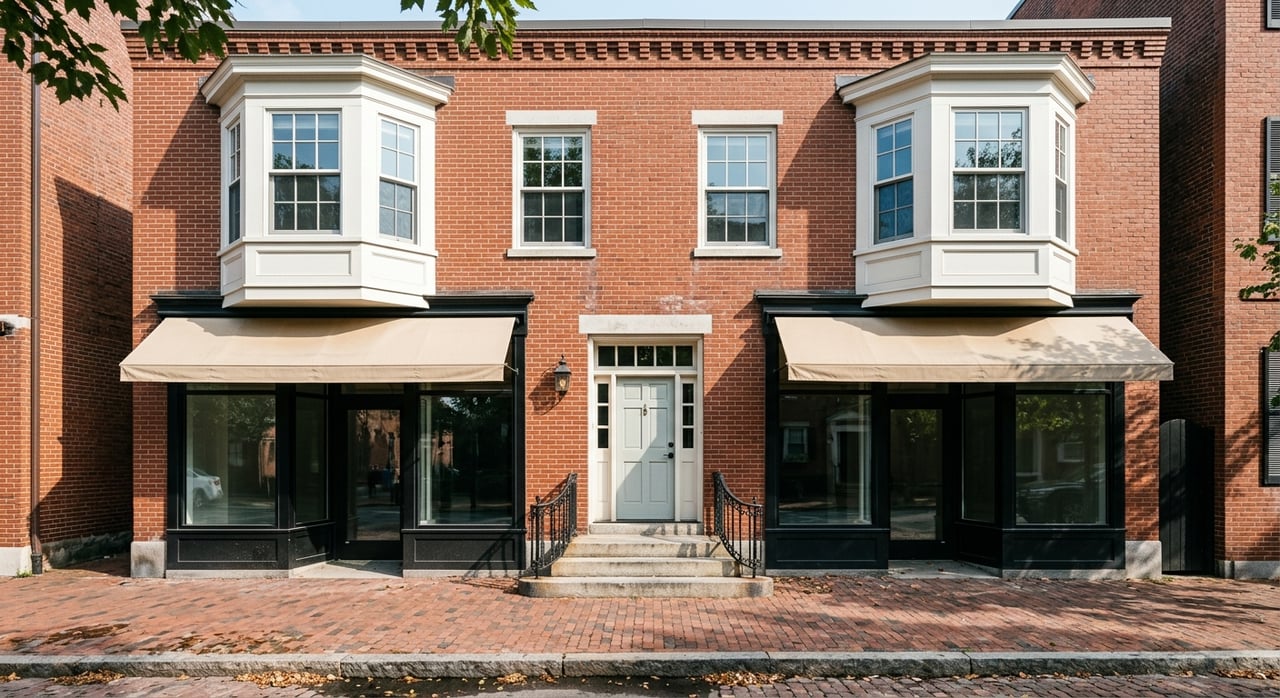
If you are looking for a more entrepreneurial investment, mixed-use assets may deserve attention. In practical terms, that often means storefront-over-apartment properties or small buildings that combine residential and commercial use in downtown or rail-adjacent areas.
Stamford’s 2035 Comprehensive Plan identifies a Mixed-Use Core centered on Downtown and the Transportation Center and notes the city’s support for transit-oriented development near transit. Norwalk’s active project pipeline also reflects continuing interest in mixed-use development, including 71 Water Street and 108 Water Street, which show the type of projects moving through review in waterfront and downtown locations.
What Drives Returns Here
Rent Levels Support Interest
One of the clearest reasons investors continue to watch Stamford and Norwalk is rent strength. Zillow’s reported average rents of $2,873 in Stamford and $2,684 in Norwalk create a foundation for rental strategies, particularly when paired with well-located buildings and realistic expense assumptions.
Still, rent alone does not make a deal work. In higher-cost markets like these, your basis, financing terms, repair budget, vacancy assumptions, and reserves will often matter just as much as headline rent.
Transit-Oriented Demand
Transit access remains a major return driver. Properties near rail stations, downtown services, and established commercial corridors may benefit from durable demand because convenience matters to many renters and owner-occupants.
This does not mean every property near a station is automatically a good investment. It means location should be evaluated in the context of walkability to transit, building condition, tax structure, and the local approval path if improvements are planned.
Liquidity Matters
Fast pending times can matter for investors who want future flexibility. With homes going pending in about 16 days in Stamford and 13 days in Norwalk, both markets show signs of continued buyer activity, according to Zillow’s local housing data.
That can support exit planning, especially if you buy a property with broad future appeal. A building that works for both investors and owner-users may offer more resale options down the road.
The Tax Variable You Cannot Ignore
Property taxes are one of the most important underwriting variables in both cities. Stamford’s Property Assessment office notes that the Board of Finance sets mill rates annually, and the city’s FY2024-25 annual report lists real-estate mill rates from 22.76 to 23.36 mills, with 27.17 mills for personal property, according to the city assessment page.
Norwalk’s FY2025-26 tax-rate sheet shows real-estate mill rates ranging from 22.0000 to 23.9459 mills depending on district, with 32.0 mills for business personal property, based on the Norwalk Tax Collector page. That district variation means the same purchase price can underwrite differently depending on location.
Norwalk also states that the city completed a full revaluation and is phasing it in over four years, with overall values up about 35% citywide. Stamford notes that taxes can change independently of assessment because the mill rate is set separately. For you as an investor, the takeaway is simple: do not treat taxes as a fixed line item.
Due Diligence Risks to Watch
Coastal and Flood Exposure
In this part of Fairfield County, coastal and flood exposure can have a major impact on cost and complexity. Norwalk states that properties in its Coastal Area Management Zone may require coastal site plan review, and flood hazard zones can bring special regulations and flood-insurance requirements, according to the city’s coastal area guidance.
Stamford also handles coastal site plan review, wetlands matters, and flood-prone area permits through its zoning and environmental processes. If you are considering a waterfront, harbor-adjacent, or low-lying property, insurance, permitting, and physical risk review should move to the top of your checklist.
Condo Rules and Financial Health
With condo investments, association details can change the whole deal. Monthly fees may look manageable at first, but reserve weaknesses, special assessments, or leasing restrictions can alter your expected return quickly.
Before moving forward, review documents that address:
- Current monthly common charges
- Reserve funding and financial statements
- Pending or recent special assessments
- Leasing and occupancy rules
- Transfer restrictions
- Building repair history
Regulatory Path for Mixed-Use Assets
Mixed-use properties can be attractive, but they can also involve more moving parts. Zoning compliance, permit history, use restrictions, and future approval requirements all deserve close review before you commit.
This matters even more if you plan to renovate, reposition, or change occupancy. In many cases, the real opportunity is not just the asset itself, but whether the regulatory path is clear enough to support your business plan.
How to Evaluate a Deal Smarter
When you look at Stamford or Norwalk investment property, try to underwrite beyond the list price. A deal that looks average at first glance may improve if the location is strong and the building is stable. On the other hand, a lower asking price can become expensive quickly if taxes, flood insurance, deferred maintenance, or association issues are underestimated.
A practical review should include:
- Purchase price relative to local rent levels
- Current and projected property taxes
- Insurance, especially for coastal or flood-sensitive locations
- Repair and capital improvement needs
- Local zoning or permit considerations
- Condo association health, if applicable
- Exit strategy and resale flexibility
Where Opportunities May Be Strongest
Based on the local planning, zoning, rent, and tax context in the research, the strongest opportunities for many small investors are likely to be:
- Small multifamily buildings in transit-oriented districts
- Condo rentals that clearly fit association rules
- Storefront-residential mixed-use properties in downtown areas
The key point is that headline price alone rarely tells the full story. In Stamford and Norwalk, location, tax burden, regulatory complexity, and building condition are often the biggest determinants of performance.
If you are thinking about buying, selling, or repositioning an investment property in lower Fairfield County, working with an advisor who understands both residential and commercial dynamics can help you make a more disciplined decision. For tailored guidance on Stamford and Norwalk opportunities, connect with Thomas Vozzella.
FAQs
What types of investment properties are common in Stamford and Norwalk?
- Small multifamily buildings, condo units, apartment buildings, and storefront-over-apartment mixed-use properties are among the most common opportunities highlighted by local planning and zoning context.
How do Stamford and Norwalk rents compare for investors?
- Zillow’s early 2026 data shows average rent at $2,873 in Stamford and $2,684 in Norwalk, which supports investor interest but still requires careful underwriting of taxes, financing, and reserves.
Why does transit access matter for Stamford and Norwalk investment property?
- Both cities are served by the Metro-North New Haven Line, which supports commuter-oriented demand and can make rail-adjacent residential and mixed-use properties more appealing.
What tax issues should investors review in Stamford and Norwalk?
- You should review mill rates, district-specific tax differences, and the impact of revaluation because property taxes can materially affect cash flow in both cities.
What should buyers check before purchasing a condo investment in Stamford or Norwalk?
- You should review association fees, reserve health, special assessments, leasing rules, occupancy restrictions, and the full association disclosure package before relying on projected rental income.
Are coastal properties in Norwalk and Stamford riskier for investors?
- Coastal, waterfront, harbor-adjacent, and low-lying properties can involve added site plan review, flood regulations, and insurance requirements, so they often need deeper due diligence than inland properties.