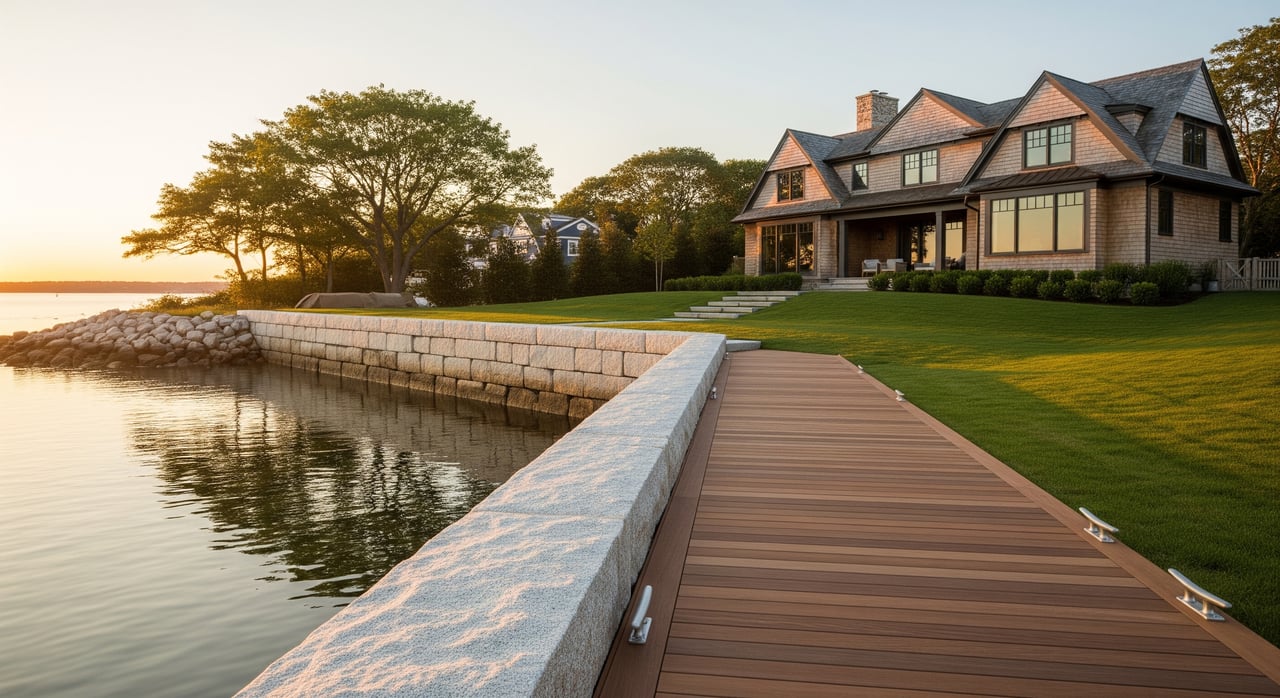
Thinking about buying or selling a Norwalk waterfront home with a dock or seawall? The permits behind those structures can affect your timeline, price, and peace of mind. You want a smooth closing and clear answers on what you can repair, replace, or build. In this guide, you’ll learn which agencies are involved, when permits are required, what to gather before listing, and how to avoid common delays. Let’s dive in.
What permits you need
Jurisdiction layers
Several layers of government may be involved in Norwalk waterfront projects:
- Local: City of Norwalk departments, the Harbor Management Commission, and the Harbor Master oversee building, zoning, moorings, navigation, and local consistency with the Harbor Management Plan.
- State: Connecticut’s environmental agency reviews work in tidal waters, tidal wetlands, and on state-owned submerged lands.
- Federal: The U.S. Army Corps of Engineers reviews work in navigable waters and dredge or fill activities. Other federal authorities may be involved for navigation or safety in certain cases.
- Other: FEMA oversees flood mapping and Elevation Certificates. Historic preservation and natural resources agencies may weigh in if archaeological resources, eelgrass, shellfish beds, or protected species are present.
When permits are required
You should expect state or federal review for projects that:
- Build, repair, replace, or expand structures seaward of the mean high water line.
- Disturb tidal wetlands or place fill in tidal waters.
- Change the shoreline footprint, such as new seawalls or significant stabilization work.
- Dredge or conduct maintenance dredging.
Some maintenance may qualify for expedited processes, but prior notification or approval is typically still required. Exact triggers depend on definitions like mean high water and should be confirmed with the state permitting office.
Typical approvals
Depending on your plans, approvals can include:
- Docks, piers, floats, pilings, and gangways
- Seawalls, bulkheads, revetments, and shoreline stabilization
- Dredging and maintenance dredging
- Authorization or leases for structures on state-owned submerged lands
- Tidal wetlands disturbance permits
- U.S. Army Corps of Engineers Section 10 and Section 404 permits when federal jurisdiction applies
Norwalk local review
Harbor Management Commission role
Norwalk’s Harbor Management Commission and Harbor Master manage navigation, moorings, and harbor uses. They review dock, pier, and seawall proposals for consistency with navigation, public access, and the city’s Harbor Management Plan. Their recommendations matter. A negative or conditional recommendation can delay or complicate state approvals, so early coordination is a smart move.
City departments involved
Local departments commonly include:
- Building: permits for on-shore work, electrical and mechanical systems, and inspections.
- Planning & Zoning: site plan approval, variances, and any coastal site plan requirements tied to zoning overlays.
- Engineering/Stormwater: drainage, runoff, and public infrastructure impacts.
- Harbor Master/Harbor Management Commission: navigation safety review and mooring rules.
Local easements, public rights-of-way, or recorded access requirements may limit what you can build. A pre-application meeting with the Harbor Master, the Commission, and relevant city staff helps surface these issues early.
Smart prep before listing
Seller document checklist
Create a clean, complete “waterfront packet” for buyers and lenders. Include:
- Existing authorizations: local, state, and federal permits for docks, seawalls, dredging, and any work seaward of mean high water.
- Leases and agreements: state submerged land leases, municipal mooring or berth assignments, and riparian easements.
- Plans and records: as-built drawings, construction plans, contractor invoices, maintenance logs, and dates of last repairs.
- Survey and legal: a recent boundary survey that shows the mean high water line and all structures, plus deed and title documents covering riparian rights, easements, and recorded covenants.
- Environmental information: wetlands delineations or agency correspondence, any notes on eelgrass or shellfish resources, FEMA flood zone and Elevation Certificate, and any past flood claims.
- Practical details for buyers: recent photos (land and water views), condition of timber, pilings, hardware, and floats; mooring or slip assignments and fees; and insurance coverage specific to the dock or seawall.
Why these documents matter
Lenders and title companies often require proof that shoreline structures are permitted and in compliance. Missing permits or unresolved violations can trigger delays or even escrow requirements. Buyers also want to know that approvals are in place and transferrable when needed. If riparian rights, mooring assignments, or leases convey with the property, the proper recorded documents are essential.
Timelines and delays
Typical timeframes
While every case is different, plan conservatively:
- Local municipal review and building permits: a few weeks to a few months depending on complexity.
- State coastal and tidal approvals: several weeks to several months, longer if site visits, public comment, or resource concerns apply.
- Federal U.S. Army Corps of Engineers permits: several months to more than a year for complex projects; nationwide or general permits can be faster.
Combined or coordinated reviews add time. Build cushion into your schedule.
Frequent causes of delay
Avoid these common slowdowns:
- Incomplete surveys that do not show the tidal datum or the accurate location of structures.
- Limited outreach to the Harbor Master or Harbor Management Commission before applying.
- Discovery of sensitive resources like eelgrass, shellfish beds, or significant tidal marsh.
- Public objections during notice periods, including concerns from neighbors or marina operators.
- Conflicting property boundaries, easements, or riparian rights disputes.
- Unpermitted past work that requires after-the-fact permits, revisions, or remediation.
Common transaction issues
Be ready for questions on:
- Unpermitted structures that may require remedies or escrow to close.
- Whether municipal mooring or slip assignments transfer to a new owner.
- Renewal or conditions tied to state submerged land leases that affect marketability.
Keep your sale on track
Practical steps
- Do an early document audit. Assemble permits, surveys showing mean high water, as-builts, maintenance logs, insurance, and flood documents.
- Initiate local outreach. Request a pre-application or informal review with the Harbor Master and Harbor Management Commission.
- Order a current boundary survey. Make sure it shows the tidal datum and precise structure locations.
- Consider pre-listing inspections. A structural or environmental review of older docks and seawalls can prevent renegotiations.
- Confirm transferability. Verify which permits, mooring assignments, and leases transfer and what approvals or fees are required.
- Be transparent. Share permits and pending applications early with buyers and lenders. If issues exist, outline the remediation plan and realistic timeline.
- Build time into contracts. Add contingencies for outstanding permits or consider escrow if final approvals are pending at closing.
Rule-of-thumb checks
- If the work is seaward of mean high water, affects tidal wetlands, or involves dredging, expect state review and possibly federal permits.
- Local buy-in helps. Early coordination with Norwalk’s Harbor Management Commission often smooths state and federal reviews.
- A complete “waterfront packet” moves deals forward and reduces surprises with lenders and title companies.
If you are weighing repairs, replacement, or new structures, speak with the City of Norwalk, the Connecticut state environmental permitting office, the U.S. Army Corps of Engineers, and your professional team for current rules, forms, and processing times.
Ready to position your Norwalk waterfront for a clean, confident sale? Let’s build the right strategy, assemble the documents, and set a realistic timeline that protects your value. Connect with Tom Vozzella to discuss your plans or Get an Instant Home Valuation.
FAQs
Do I need a state permit to repair a dock in Norwalk?
- If the work is seaward of mean high water or affects tidal wetlands or submerged lands, a state coastal permit is typically required. Confirm specifics with the state permitting office.
How long do coastal permits usually take in Norwalk?
- Local reviews can take weeks to a few months, state reviews usually take several weeks to several months, and federal permits can extend from months to more than a year for complex cases.
Who reviews Norwalk harbor projects locally?
- The Harbor Management Commission and the Harbor Master review proposals for navigation, moorings, and consistency with the Harbor Management Plan, alongside Building, Planning & Zoning, and Engineering.
What should a buyer ask for when a property has a seawall or dock?
- Request the seller’s “waterfront packet”: permits, leases, surveys showing mean high water, as-builts, maintenance records, insurance, flood documentation, and any agency correspondence.
Are mooring or slip rights transferable to a new owner in Norwalk?
- Some assignments or agreements may not transfer automatically. Verify the rules, approvals, and any fees with Norwalk’s Harbor Master, Harbor Management Commission, and relevant agencies.