If you’re leaving NYC, Darien and Stamford can both look like smart next moves. They share a Metro-North line, sit in lower Fairfield County, and appeal to many Manhattan commuters, but they offer very different day-to-day experiences. If you’re trying to decide between a quieter suburban setting and a more urban, connected lifestyle, this guide will help you compare the two with more clarity. Let’s dive in.
Darien vs. Stamford at a Glance
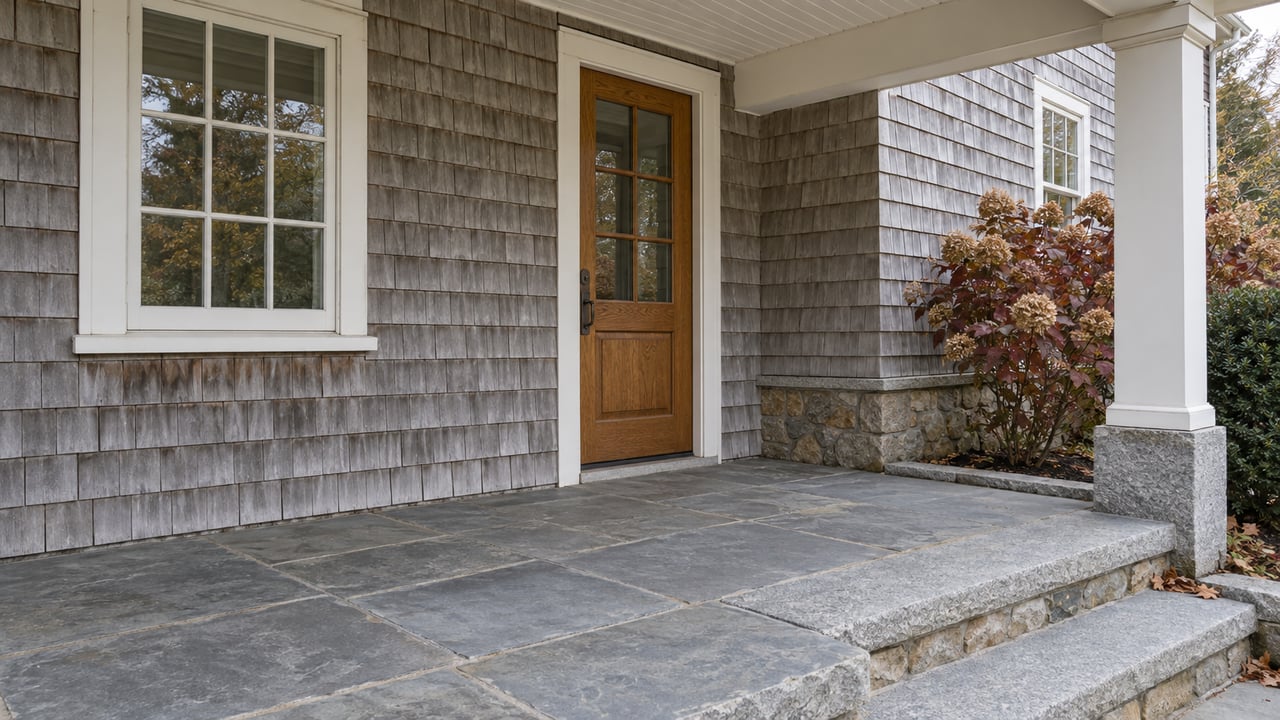
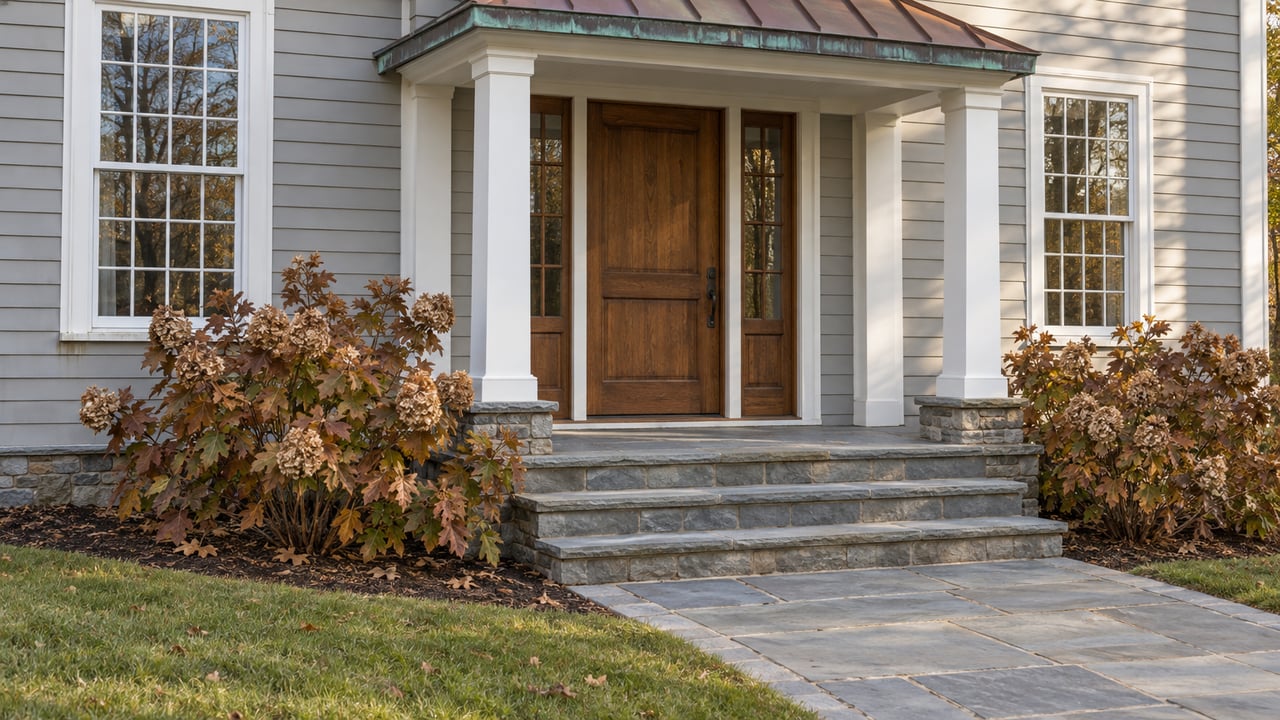
For many NYC buyers, the real choice comes down to suburban privacy versus urban energy. Darien’s official town profile describes it as a mostly suburban residential community with an active town center and no industrial enterprises. Stamford Downtown, by contrast, describes its district as bustling and vibrant, with shops, restaurants, services, arts, education, and events.
The size and housing profile of each place also tell an important story. Census QuickFacts reports Darien at 22,528 residents, compared with Stamford at 139,134. Darien also has a much higher owner-occupied housing rate at 82.4%, while Stamford comes in at 48.8%.
That difference often matters if you are deciding what kind of environment you want around you every day. Darien tends to feel more residential and lower-density, while Stamford offers a broader mix of housing and a busier city-center atmosphere.
Cost Differences You Should Know
Housing costs are one of the clearest dividing lines between these two markets. Census QuickFacts puts Darien’s median owner-occupied home value at $1,822,400, compared with $624,400 in Stamford. That is a major spread, especially for buyers comparing how much space, privacy, and location they want to prioritize.
Monthly costs show a similar pattern. Darien’s median gross rent is above $3,500, while Stamford’s is $2,276. Median monthly owner costs with a mortgage are above $4,000 in Darien versus $3,460 in Stamford.
Those numbers do not mean one town is better than the other. They simply reflect different housing markets. Darien aligns more with buyers looking for a higher-cost, more owner-occupied suburban setting, while Stamford offers a more mixed market with broader price points and more rental options.
Commuting to NYC
Both Darien and Stamford work well for commuters using Metro-North’s New Haven Line. According to the MTA service plan, peak headways on the New Haven Line are typically 25 minutes on inner and outer segments, 30 minutes in reverse peak, and 60 minutes off-peak and on weekends. That makes both locations practical for regular trips into Manhattan.
Where the two begin to separate is in station connectivity. Darien station has ticket machines and CTtransit connections, but no ticket office. Stamford station has ticket machines, a staffed ticket office, CTtransit connections, and Amtrak service.
If transit flexibility matters to you, Stamford has the stronger network. Stamford Downtown also includes CT Transit local and express routes, CTfastrak connections, a free Harbor Point trolley, and StamFORWARD on-demand transit. Darien is more straightforward and quieter, while Stamford functions more like a regional transit hub.
Housing Types and Lot Sizes
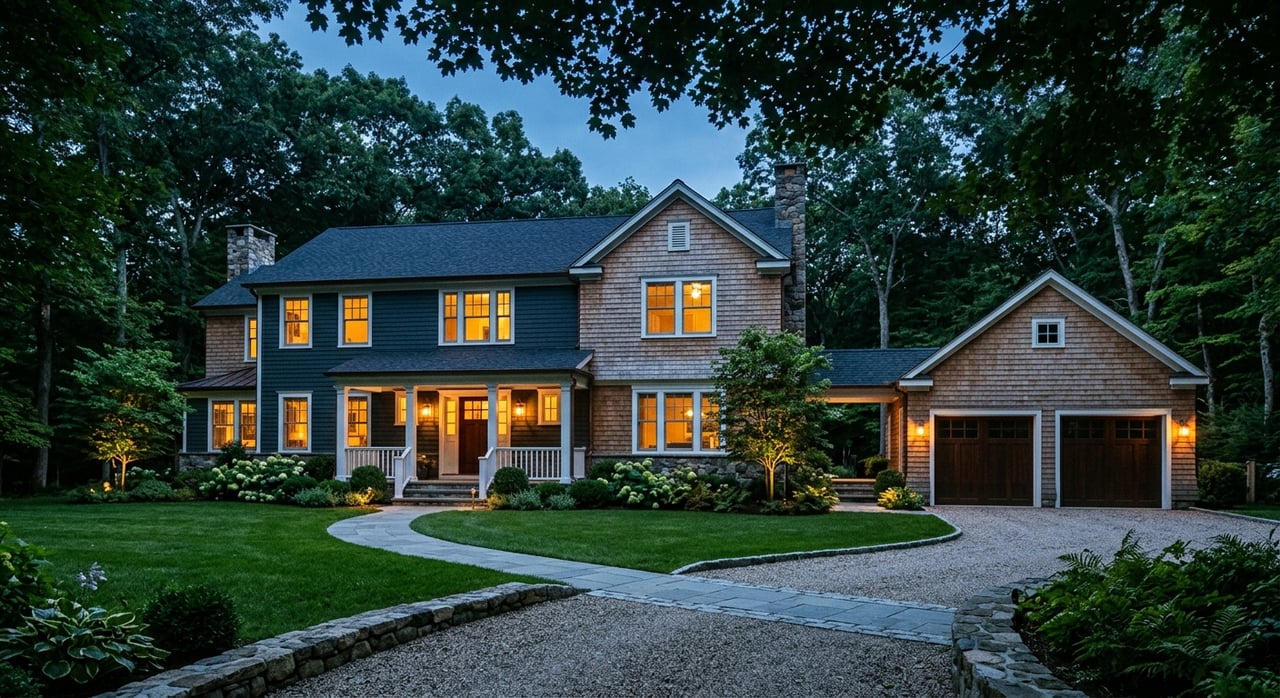
If you picture your next home as a detached house with more breathing room, Darien may feel closer to what you have in mind. Darien’s zoning FAQ lists minimum lot areas from 8,712 square feet in the smallest residential zone to 87,120 square feet in the largest. It also states a 20% maximum building coverage in all residential zones, which supports a low-density residential pattern.
Stamford also includes large-lot single-family districts. The city states those districts range from 7,500 square feet up to 3 acres depending on the district, and they are intended for single-family dwellings on large lots in a rural setting. So if your goal is a single-family home, both towns can offer that path.
The bigger difference is housing mix. Stamford’s development FAQ says 82.4% of the city’s land is zoned for single-family houses only, but it also notes that newer apartment buildings are concentrated downtown and in the South End, where occupancy averaged 94.9% in June 2023. In practical terms, Stamford gives you more condos, apartments, and mixed-use living options than Darien does.
Daily Lifestyle and Downtown Feel
Your daily routine may end up being the deciding factor. Darien’s official profile highlights beaches, parks, train stations, and an active local center. That points to a quieter commuter-town lifestyle with convenient local amenities and a more traditional suburban rhythm.
Stamford Downtown presents something very different. Its district includes apartments, residential condominiums, hotels, offices, the mall, and smaller mixed-use buildings. It also notes more than 9,500 parking spaces in 15 locations, which supports the larger scale and activity level of the downtown area.
If you want more going on after work, Stamford usually offers the stronger fit. If you prefer a calmer town-center experience with a more residential backdrop, Darien is often the better match.
Which Town Fits Your NYC Move?
If you are moving from NYC, your best choice often depends less on commute alone and more on how you want to live once you get home. Both towns offer access to Metro-North, so the real question is how much space, quiet, and housing variety you want in everyday life.
Darien may be a stronger fit if you want:
- A more suburban residential setting
- Higher owner-occupancy
- Larger lot patterns and lower-density neighborhoods
- A quieter town-center feel
- A housing search focused more on traditional single-family living
Stamford may be a stronger fit if you want:
- A more urban-leaning environment
- More housing variety, including condos and apartments
- A larger transit network and station connections
- A livelier downtown with mixed-use development
- More flexibility in price point and rental inventory
Neither answer is universally right. The better choice is the one that lines up with your budget, commute habits, and the kind of day-to-day environment that will feel comfortable long after the move is done.
A Smart Way to Narrow It Down
Before you choose, it helps to look at both towns through the same lens. Think about your non-negotiables first, including housing type, monthly budget, commute routine, and how active you want your surroundings to feel. That simple exercise can make the Darien versus Stamford decision much easier.
It also helps to compare specific neighborhoods, property types, and current inventory in real time. On paper, both towns can work for NYC buyers. In practice, the right move usually becomes clearer once you match the numbers and lifestyle details to your actual goals.
If you’re weighing Darien against Stamford and want practical guidance based on your budget, commute, and housing goals, connect with Thomas Vozzella. With deep Fairfield County market knowledge and relocation experience, he can help you evaluate the options and move forward with confidence.
FAQs
What is the main difference between Darien and Stamford for NYC movers?
- Darien is generally a more suburban, owner-occupied, lower-density town, while Stamford offers a larger, more mixed housing market and a more active downtown environment.
Is Darien or Stamford better for commuting to Manhattan?
- Both towns are on Metro-North’s New Haven Line, but Stamford has a broader transit ecosystem with a staffed station, CTtransit connections, and Amtrak service.
Is housing more expensive in Darien or Stamford?
- Darien is notably more expensive based on Census QuickFacts, with a median owner-occupied home value of $1,822,400 compared with $624,400 in Stamford.
Does Stamford have more apartments and condos than Darien?
- Yes. Stamford has a more mixed housing market, with newer apartment buildings concentrated downtown and in the South End, while Darien is more consistently low-density and residential.
Is Darien quieter than Stamford for everyday living?
- In general, yes. Darien’s official town profile emphasizes a suburban residential setting and active local center, while Stamford Downtown is described as bustling and vibrant.
Should you choose Darien or Stamford when moving from NYC?
- The choice usually comes down to whether you prefer a quieter suburban setting with larger-lot housing patterns or a more transit-rich, urban-leaning environment with more housing variety.